
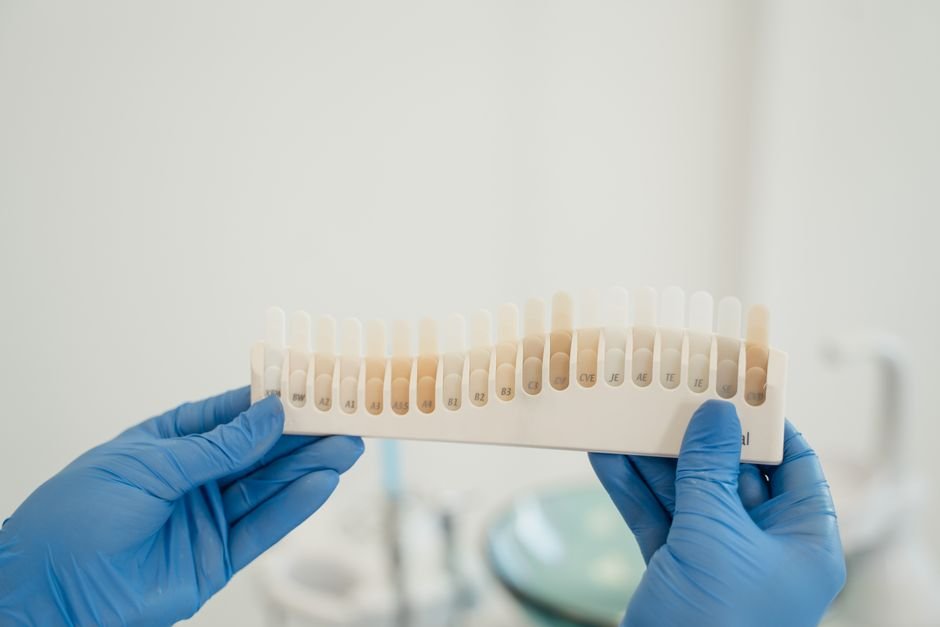
Gaps between teeth, known as diastemas, can be closed cosmetically with options ranging from simple composite bonding and porcelain veneers to orthodontic alignment with braces or clear aligners, depending on the size of the gap, the health of the surrounding teeth and gums, and how permanent a result you want. Most gaps have no health impact at all, so the choice of fix is almost always a personal, cosmetic one.
Key takeaways
- Small to medium gaps are often closed with composite bonding, a quick and reversible option.
- Porcelain veneers offer a longer-lasting cosmetic fix but involve some permanent tooth preparation.
- Clear aligners and braces close gaps by gradually moving the teeth rather than covering them.
- The best option depends on gap size, tooth alignment, gum health, and bite considerations.
- A gap does not need fixing unless you personally want to change how it looks.
Why do gaps between teeth happen in the first place?
Gaps between teeth develop for a variety of reasons, and understanding the cause often helps determine the best cosmetic fix. A mismatch between jaw size and tooth size is one of the most common causes, where the teeth are simply smaller than the space available in the jaw, leaving visible gaps. An oversized labial frenum, the small tissue band connecting the upper lip to the gum, can also push the front teeth apart, creating a persistent gap between the upper central incisors.
Other contributing factors include missing or undersized teeth, tongue-thrusting habits developed in childhood, and natural shifts in tooth position that occur gradually with age as supporting gum and bone structures change. Gum disease affecting the bone that supports the teeth can also allow teeth to drift apart over time. Identifying which of these applies helps a dentist recommend a fix that addresses the actual cause rather than just the visible gap.
Is composite bonding a good option for closing a gap?
Composite bonding is one of the most popular cosmetic fixes for smaller gaps because it is quick, comfortable, and requires little to no removal of natural tooth structure. A tooth-coloured resin is carefully sculpted onto the edges of the teeth bordering the gap, gradually building them out until the space is closed and the shape looks natural. The procedure is usually completed in a single visit and does not typically require anaesthetic.
Because bonding material is added rather than teeth being reshaped, the process is considered reversible and conservative compared to other cosmetic options. It is best suited to small to moderate gaps and teeth that are already reasonably well aligned. The main trade-off is durability, since composite resin is more prone to staining and chipping over years of use than porcelain, meaning it may need periodic touch-ups or eventual replacement.
How do porcelain veneers compare for gap closure?
Porcelain veneers are thin, custom-made shells bonded to the front surface of the teeth, and they can be an effective way to close gaps while simultaneously improving the overall shape, colour, and symmetry of a smile. Because the ceramic material closely mimics the translucency of natural enamel, veneers often deliver a highly natural-looking result that resists staining far better than composite bonding over the long term.
The process usually requires a small amount of the front tooth enamel to be removed to accommodate the veneer, which makes it a less reversible option than bonding. Veneers are typically made in a dental laboratory and fitted over two visits, though some practices offer same-day options. For people with several gaps or slightly uneven teeth alongside the spacing, veneers offer the advantage of correcting multiple cosmetic concerns in one coordinated treatment.
Can braces or clear aligners close gaps effectively?
Orthodontic treatment, whether traditional braces or clear aligners, closes gaps by physically moving the teeth back together rather than disguising the space with added material. This makes it a genuinely permanent solution when properly retained afterwards, since the teeth themselves end up in a new, gap-free position rather than being covered. It is often the recommended route when gaps are linked to overall misalignment or bite issues rather than being an isolated cosmetic concern.
Clear aligners have become a popular choice for adults specifically wanting to close gaps, as they are removable, relatively discreet, and can address spacing issues over a period of months. Traditional braces remain a strong option for more complex spacing combined with other alignment needs. Because orthodontic movement takes longer than bonding or veneers, this route suits those who are comfortable with a gradual result rather than an immediate change.
What role does a frenectomy play in fixing a gap?
When a gap between the upper front teeth is caused by an oversized or low-attached labial frenum, cosmetic bonding or orthodontics alone may not fully solve the problem, since the tissue continues pulling the teeth apart. In these cases, a frenectomy, a straightforward procedure to reshape or reposition the frenum, is often recommended alongside the cosmetic treatment. This addresses the underlying cause rather than just the visible symptom.
A frenectomy is typically a quick procedure with a short recovery period and is frequently combined with orthodontic treatment to help prevent the gap from reopening after the teeth have been moved together. Without treating an oversized frenum where it is genuinely the cause, gaps closed purely through bonding or aligners can be more prone to relapse. A dental assessment can determine whether this extra step is relevant to your particular gap.
How do you choose between these different cosmetic options?
The right choice depends on several factors working together, including the size of the gap, the alignment and overall condition of the surrounding teeth, and how much change you want beyond just closing the space. Small, isolated gaps in otherwise well-aligned teeth are often well suited to composite bonding, while larger gaps or those accompanied by uneven tooth shape may benefit more from veneers or a combined orthodontic approach.
Budget, timeline, and appetite for a reversible versus more permanent change also factor heavily into the decision. Someone wanting a same-day result might lean towards bonding, while someone planning ahead for a wedding or other event might prefer starting orthodontic treatment early enough to see it through. A thorough discussion with a dentist, including an assessment of bite and gum health, helps narrow down which option best matches your specific situation.
Are there risks or downsides to each cosmetic approach?
Composite bonding, while low-risk and reversible, is the least durable of the main options and can discolour or chip over time, particularly with habits like nail-biting or chewing on pens. Veneers, although longer lasting, involve permanent alteration to the tooth surface, meaning that once prepared, a tooth will generally always need some form of covering restoration going forward. Both restorative options also rely on good oral hygiene to prevent decay developing at the margins where the material meets natural tooth.
Orthodontic treatment carries its own considerations, including the time commitment, the need for consistent wear of aligners or care of braces, and the ongoing use of a retainer afterwards to prevent the gap from gradually reopening. Without a retention plan, teeth have a natural tendency to drift back towards their original position over months and years. Discussing long-term maintenance with your dentist before starting any option helps set realistic expectations from the outset.
Does closing a gap require any special aftercare?
Regardless of which cosmetic method is used, consistent oral hygiene remains essential to protect the investment and the health of the surrounding teeth and gums. Brushing twice daily, cleaning carefully between teeth, and attending regular dental check-ups help bonded edges, veneers, and post-orthodontic results all stay in good condition for longer. Avoiding habits such as biting nails, chewing ice, or using teeth as tools reduces the risk of chipping or damaging cosmetic work.
For anyone who has had orthodontic treatment to close a gap, wearing a retainer as instructed is one of the most important aftercare steps, since gapped teeth in particular have a strong tendency to relapse without ongoing retention. For bonding and veneers, occasional professional polishing and periodic review appointments help catch any early wear or staining before it becomes noticeable, keeping the cosmetic result looking its best for as long as possible.
Frequently Asked Questions
Which is better for a small gap, bonding or veneers?
For a small, isolated gap in an otherwise healthy tooth, composite bonding is usually the more conservative first choice, since it preserves more natural tooth structure and can be completed in a single appointment. Veneers tend to be reserved for cases where the surrounding teeth also need shape or colour correction, or where a longer-lasting result is a priority.
How long does composite bonding for a gap typically last?
Composite bonding generally lasts several years with good care, though its lifespan varies depending on habits like grinding, biting hard foods, and oral hygiene. It is more prone to staining and minor chipping than porcelain, so many people have it polished or touched up periodically rather than expecting it to remain untouched indefinitely.
Will clear aligners work for closing a gap on their own?
Clear aligners can be very effective for closing gaps, particularly when the spacing is the main concern rather than a complex bite issue. A dental professional will assess whether your specific gap and overall alignment are suitable for aligners alone or whether a combination approach would give a more stable, lasting result.
Can a gap between teeth come back after treatment?
Yes, gaps closed through orthodontic movement can reopen if a retainer is not worn as recommended, since teeth naturally drift over time without ongoing support. Bonding and veneers physically fill the space rather than moving teeth, so they do not reopen in the same way, though the material itself can eventually need repair or replacement.
Is it necessary to fix a gap between teeth for health reasons?
In most cases, a gap between teeth is purely a cosmetic feature and does not cause any functional or health problems. Some people choose to keep their natural gap as part of their smile. Treatment becomes more relevant if the gap is linked to an underlying issue such as gum disease or bite misalignment, which a dentist can identify during an examination.