
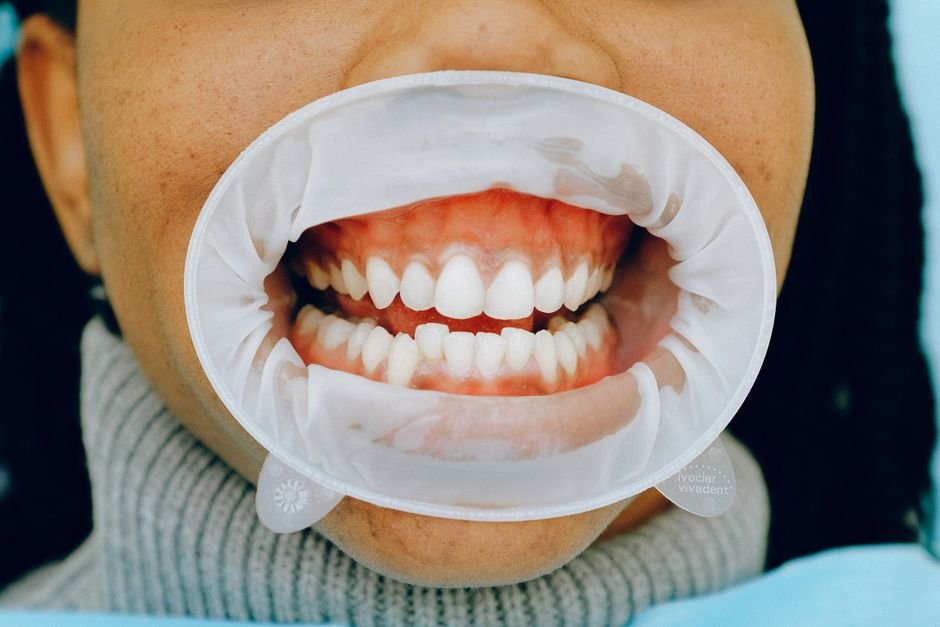
Gum disease and heart health are increasingly discussed together because researchers have observed an association between the two, even though a direct cause-and-effect relationship has not been firmly established. Chronic inflammation in the gums is thought by some researchers to overlap with processes involved in cardiovascular health, and several risk factors, such as smoking and poor diet, are shared between the two. The most sensible takeaway is not to panic about a proven causal link, but to recognise that keeping gums healthy is worthwhile in its own right, and may plausibly support broader wellbeing too.
Key takeaways
- Some research suggests an association between gum disease and cardiovascular health, but a direct causal link has not been proven.
- Chronic gum inflammation may share biological pathways with wider inflammatory processes in the body, though the science is still developing.
- Gum disease progresses in stages, from mild gingivitis through to more advanced periodontitis, and is far easier to manage when caught early.
- Smoking, diet, and general lifestyle habits are risk factors that overlap between gum health and heart health.
- Daily oral hygiene and regular dental checkups remain the most reliable ways to protect gum health, regardless of any wider link.
What does the mouth-body connection actually mean?
The phrase “mouth-body connection” refers to the idea that oral health does not exist in isolation from the rest of the body. The mouth is home to a vast community of bacteria, and the tissues of the gums are richly supplied with blood vessels. When gum tissue becomes inflamed or infected, it is reasonable to ask whether that inflammation could have effects that reach beyond the mouth itself. This is an active area of scientific interest, and dental professionals increasingly view oral health as one piece of a person’s overall health picture rather than a completely separate concern.
It is worth being careful with this idea, though. Having an association observed in research does not mean gum disease directly causes problems elsewhere in the body, and it is easy to overstate the science in this space. What can be said with more confidence is that a healthy mouth is a reasonable and achievable goal that supports comfortable eating, clear speech, and confidence in one’s smile, while any potential wider benefits are best considered a possible bonus rather than the primary reason to practise good oral hygiene.
How might chronic gum inflammation relate to broader inflammation in the body?
Gum disease, particularly in its more advanced form, involves ongoing inflammation as the body’s immune system responds to bacteria beneath the gumline. Some researchers have proposed that this localised, long-term inflammation could interact with broader inflammatory processes elsewhere in the body, since inflammation is a common thread across a number of general health conditions. This is generally described as an association worth researching further, rather than a settled mechanism, and much of the available evidence comes from observational studies that show two things occurring together without proving that one causes the other.
It is important to describe this relationship cautiously. Many factors influence a person’s general health at once, including genetics, lifestyle, and other medical conditions, so isolating the specific contribution of gum inflammation is genuinely difficult for scientists. Rather than treating gum disease as a diagnosed risk factor for other conditions, it is more accurate to say that ongoing research is exploring whether managing gum inflammation might be one small piece of a much larger picture of general wellbeing, alongside many other established lifestyle habits.
What does gum disease look like in its different stages?
Gum disease typically begins as gingivitis, the mildest and most common stage, where the gums become red, swollen, or prone to bleeding during brushing or flossing. At this early stage, the underlying bone and supporting structures of the teeth are not yet affected, which makes gingivitis reversible with improved oral hygiene and professional cleaning. Many people experience gingivitis at some point without realising it, since the symptoms can be mild and easy to dismiss, particularly if bleeding gums are assumed to be normal rather than a sign that something needs attention.
If gingivitis is left untreated, it can progress to periodontitis, a more serious stage where inflammation begins to affect the bone and connective tissue that hold teeth in place. Periodontitis can cause gums to recede, teeth to feel loose, and pockets to form between the teeth and gums where bacteria can accumulate further. Unlike gingivitis, the tissue damage associated with periodontitis is not fully reversible, although its progression can usually be slowed or halted with appropriate treatment and consistent oral care, which is why early detection matters so much.
Why is treating gum disease worthwhile for oral health alone?
Even setting aside any wider health discussion, treating gum disease brings clear and well-established benefits for the mouth itself. Healthy gums provide a stable foundation for teeth, reducing the likelihood of tooth mobility, gum recession, and eventual tooth loss. Treating gum disease also tends to reduce bleeding, tenderness, and bad breath, all of which can affect day-to-day comfort and confidence. These outcomes are supported by a long history of clinical experience and are not dependent on any broader theory about links to other parts of the body.
Addressing gum disease early is also generally simpler and less invasive than dealing with its later stages. A course of professional cleaning and improved home care can often resolve gingivitis entirely, whereas advanced periodontitis may require deeper cleaning procedures or ongoing management to keep the condition stable. Thinking of gum health as valuable purely for the sake of a comfortable, functional mouth is a reason on its own to take symptoms seriously, without needing to rely on any claims about effects elsewhere in the body.
What risk factors are shared between gum disease and cardiovascular health?
Several everyday lifestyle factors are understood to increase the risk of both gum disease and broader cardiovascular concerns, which may help explain why the two are sometimes discussed alongside each other. Smoking is one of the most significant shared risk factors, as it is well established to impair gum tissue healing and reduce blood flow, while also being widely recognised as detrimental to cardiovascular health. Diets high in sugar and low in nutrients can contribute to plaque build-up and inflammation in the gums, while also being associated with general lifestyle patterns that affect wider wellbeing.
Other shared factors include general stress levels, inconsistent healthcare habits, and conditions such as diabetes, which is separately recognised as having links to gum health. Rather than pointing to a single direct pathway between the mouth and the heart, these shared risk factors suggest that people who address smoking, diet, and general lifestyle habits may see benefits across multiple areas of health at once. This is a helpful, practical way to think about the topic, since these are changes within a person’s control regardless of how the underlying science eventually develops.
What practical steps help protect gum health day to day?
Good gum health starts with consistent basics: brushing twice a day with a fluoride toothpaste, using a soft-bristled brush, and taking care to clean along the gumline rather than only the visible surface of the teeth. Cleaning between the teeth, whether with floss, interdental brushes, or another interdental tool, removes plaque from areas a toothbrush cannot reach, which is often where gum inflammation quietly begins. Replacing a toothbrush every few months, or sooner if the bristles splay, also helps ensure cleaning remains effective rather than merely going through the motions.
Diet and lifestyle choices matter as well. Reducing sugary snacks and drinks, staying well hydrated, and avoiding tobacco all support healthier gum tissue over time. Some people also find that an antimicrobial or fluoride mouth rinse, used as recommended by a dental professional, adds an extra layer of protection alongside brushing and interdental cleaning. None of these steps need to be complicated or expensive; the main value comes from doing them consistently, day after day, rather than searching for a single dramatic fix.
Why do regular dental checkups matter for catching gum disease early?
Gum disease can develop gradually and without obvious pain, which means it is entirely possible to have early gum inflammation without noticing it in daily life. Regular dental checkups allow a dentist or hygienist to examine the gums closely, measure any pocketing around the teeth, and spot warning signs long before they become uncomfortable or visible to the person experiencing them. Professional cleaning during these visits also removes hardened plaque, known as calculus or tartar, which cannot be removed by brushing alone once it has formed.
Catching gum disease at the gingivitis stage, rather than after it has progressed to periodontitis, generally means simpler treatment and a better long-term outlook for the health of the mouth. Checkups also give a dental professional the opportunity to offer tailored advice on brushing technique, interdental cleaning, and any specific risk factors a person may have. Attending appointments at the interval recommended by a dentist, rather than only when a problem is already noticeable, is one of the most effective habits for keeping gum disease from progressing unnoticed.
When should you see a dentist about gum symptoms?
Certain signs are worth raising with a dentist promptly rather than waiting for the next routine checkup. These include gums that bleed regularly during brushing or flossing, gums that appear persistently red, swollen, or tender, noticeable bad breath that does not resolve with normal oral hygiene, or gums that seem to be pulling away from the teeth. Any looseness in the teeth, changes in how the bite feels, or visible gaps forming between teeth are also worth mentioning, since these can indicate that gum disease has progressed further than the early stages.
It is generally better to raise a concern early and be reassured than to wait until symptoms become more disruptive. A dentist can assess whether what is being experienced reflects mild, reversible gum inflammation or something requiring more involved treatment, and can recommend a plan suited to the specific situation. Because gum disease tends to progress slowly, prompt attention at the first signs usually means a more straightforward path back to healthy gums, with far less disruption than addressing the same issue at a later, more advanced stage.
Frequently Asked Questions
Does gum disease directly cause heart disease?
No proven direct cause-and-effect relationship has been established. Some research suggests an association between gum disease and cardiovascular health, possibly linked to shared risk factors and inflammation, but this is an area of ongoing study rather than a settled fact, and gum disease should not be treated as a confirmed cause of heart conditions.
Can gingivitis be reversed completely?
Gingivitis, the earliest stage of gum disease, is generally reversible with improved brushing and interdental cleaning, along with a professional clean to remove built-up plaque and tartar. Because the underlying bone and tissue have not yet been damaged at this stage, gums can typically return to a healthy, non-inflamed state within a matter of weeks with consistent care.
What are the earliest warning signs of gum disease?
The earliest signs often include gums that bleed during brushing or flossing, gums that look redder or more swollen than usual, and mild tenderness. These symptoms are easy to overlook since they rarely cause pain at first, which is why regular dental checkups are useful for catching gum disease before it becomes more noticeable or advanced.
Does smoking make gum disease worse?
Yes, smoking is a well-established risk factor for gum disease. It reduces blood flow to the gum tissue, which can slow healing and mask some of the usual warning signs, such as bleeding, making the condition harder to spot early. Smoking is also widely recognised as detrimental to general health, which is part of why it is often mentioned alongside gum health discussions.
How often should gum health be checked by a dentist?
Most dentists recommend a checkup roughly every six months, though the ideal interval can vary depending on individual risk factors and oral health history. Someone with a history of gum disease or other risk factors may be advised to attend more frequently, while a dentist can give personalised guidance on the most suitable schedule for a particular person.