
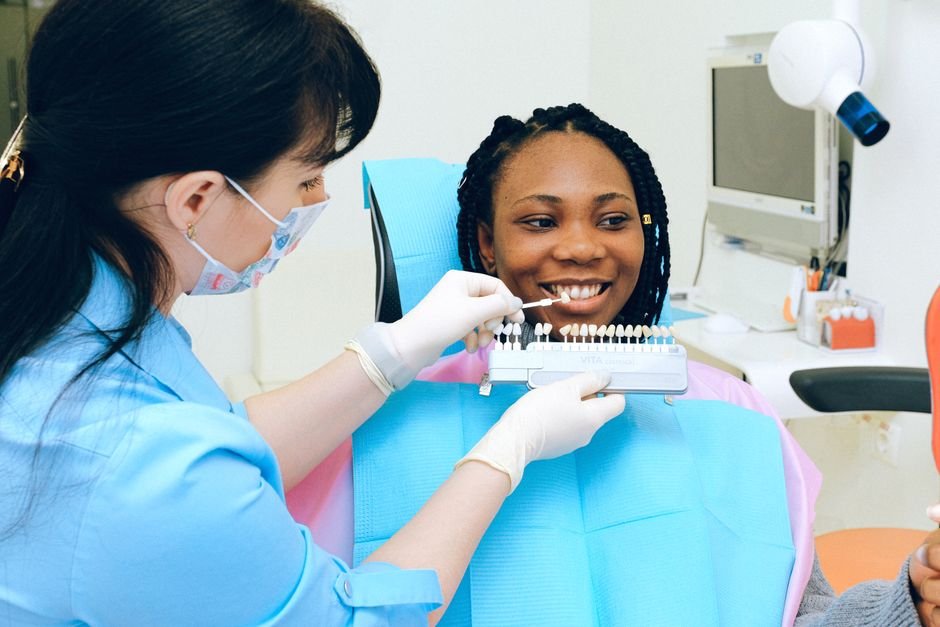
Whitening treatments use a peroxide based compound that penetrates the porous surface of enamel, breaking down the pigmented particles responsible for staining. This chemical process, rather than any kind of scrubbing or abrasion, is what makes professional whitening far more effective than simply polishing the surface of a tooth. Understanding exactly how this process works can help set realistic expectations for what whitening can, and cannot, achieve.
Key takeaways
- Whitening chemically breaks down stains rather than scrubbing them away.
- Enamel is naturally porous, which allows whitening gel to penetrate it.
- Results vary based on the type and depth of discolouration present.
- Whitening does not damage healthy enamel when used as directed.
What Actually Causes Enamel to Discolour Over Time?
Enamel discolouration develops through a combination of surface staining from pigmented foods and drinks and more gradual changes within the tooth structure itself, including natural thinning that occurs with age. Genetics also plays a role, since some people naturally have enamel that is more resistant to staining than others.
Understanding which of these factors is contributing most to your particular discolouration is part of what a dentist assesses before recommending a whitening approach, since the right treatment can differ depending on the underlying cause.
Why Is Enamel Porous in the First Place?
Although enamel looks smooth and solid, it actually has a microscopic, porous structure made up of tightly packed mineral crystals. Over time, pigments from food, drink, and other sources can settle into these tiny pores, gradually building up as visible staining on the surface and just beneath it.
This porous structure is exactly what allows whitening gel to reach beneath the surface, rather than only working on the very outer layer the way a whitening toothpaste typically does. The degree of natural porosity can also vary slightly between individuals, which is part of why whitening results are never entirely identical from one person to the next.
What Does the Peroxide in Whitening Gel Actually Do?
The peroxide compound used in most whitening treatments breaks down into smaller molecules that react with the pigmented particles trapped within the enamel. As these larger pigment molecules are broken into smaller, less visible fragments, the tooth appears progressively lighter over the course of treatment.
This reaction is what separates professional whitening from surface level products, since it works within the structure of the enamel itself rather than simply removing residue sitting on top of it. The concentration of peroxide used directly affects how quickly and dramatically this reaction occurs, which is why professional treatments tend to produce faster results than milder, over the counter alternatives.
Does Whitening Weaken or Damage Enamel?
When used correctly and under professional guidance, whitening does not permanently weaken enamel. Some people experience temporary sensitivity during treatment as the gel interacts with the tooth, but this typically resolves once the process is complete and does not indicate lasting damage.
Overusing whitening products or leaving stronger concentrations on for longer than recommended is where problems can arise, which is why professional supervision matters for anything beyond mild, over the counter products. Enamel itself does not regenerate once lost, which is a separate and unrelated concern from the temporary, reversible sensitivity whitening can sometimes cause.
Why Do Some Stains Respond Better Than Others?
Surface stains from coffee, tea, or red wine tend to respond well to whitening because they sit closer to the outer layer of enamel where the gel can reach them easily. Deeper discolouration, caused by factors such as certain medications taken during childhood or trauma to a tooth, often responds far less predictably to standard whitening treatments.
This is why a dentist will usually examine the type and pattern of staining before recommending whitening, since understanding the cause helps set realistic expectations for how much change is achievable. In some cases involving deeper or more unusual discolouration, alternative cosmetic options may be discussed instead of, or alongside, standard whitening treatment.
How Can You Protect Enamel After Whitening?
Enamel pores remain slightly more open for a short period immediately after whitening, making teeth more susceptible to new staining during this window. Avoiding strongly pigmented foods and drinks for a day or two after treatment helps protect the result while the enamel settles.
Maintaining consistent brushing and flossing afterwards, along with periodic top ups if recommended, helps preserve the whitened appearance for as long as possible. Using a straw for darker beverages during this sensitive window is a simple, practical habit many dentists recommend immediately following treatment.
How Does Whitening Interact With Existing Dental Work?
Whitening gel only affects natural tooth enamel, meaning any existing crowns, veneers, or bonding will not change shade during treatment. This can sometimes create a noticeable mismatch if a person has visible dental work alongside teeth that respond well to whitening.
Discussing this possibility with your dentist beforehand, particularly if you have visible restorations toward the front of your mouth, helps avoid an uneven result and allows for a plan that accounts for any existing dental work in your smile.
What Does the Enamel Look Like Once Whitening Is Complete?
Successfully whitened enamel does not look artificially different in texture or shine, since the treatment does not alter the physical surface of the tooth beyond removing trapped pigment. A well executed whitening treatment simply reveals a lighter, more even shade rather than creating an unnatural appearance.
This is one of the reasons professional whitening, done under proper guidance, tends to produce more natural looking results than more aggressive at home approaches that are not tailored to an individual’s specific enamel condition.
How Does Age Affect the Enamel Whitening Process?
Younger enamel tends to be thicker and less porous, which can sometimes mean a slightly slower initial response to whitening compared to older enamel that has naturally thinned somewhat over the years. This does not mean younger patients cannot achieve good results, simply that the process may progress a little differently.
Older enamel, having thinned somewhat, can sometimes reveal more of the naturally yellow dentin layer underneath, which whitening cannot fully address since it only affects surface and near surface staining rather than the underlying tooth structure itself.
What Factors Beyond Enamel Affect Overall Whitening Success?
While enamel condition is central to how whitening works, other factors also influence the final result, including how consistently an at home kit is used, how well someone avoids staining foods immediately after treatment, and any underlying dental work present in the mouth. Whitening is rarely a single isolated variable in practice.
A dentist assessing your suitability for whitening will typically consider all of these factors together, rather than focusing on enamel condition alone, to give you an honest picture of what result you can realistically expect.
Frequently Asked Questions
Why does whitening sometimes cause temporary sensitivity?
The whitening process can temporarily affect the outer layer of enamel, allowing more stimuli to reach the nerve, though this sensitivity typically fades shortly after treatment ends.
Does whitening work the same way on every tooth?
Results can vary slightly between teeth depending on their individual enamel thickness and the type of staining present on each one.
Can whitening reverse enamel erosion?
No, whitening only addresses staining and discolouration, it does not repair or rebuild enamel that has been worn away or eroded.
How soon can I eat or drink after a whitening session?
Most dentists recommend avoiding strongly coloured foods and drinks for at least a day or two after treatment while the enamel settles.
Is at home whitening as effective as in office treatment?
At home kits provided by a dentist can be effective, though they generally work more gradually than in office treatment due to their lower gel concentration.