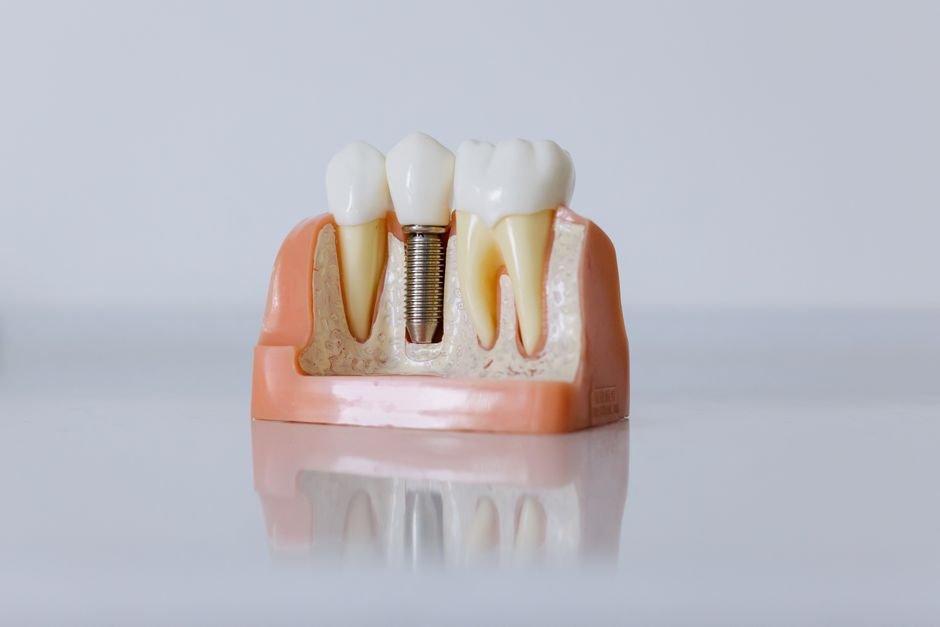
Mild soreness, tenderness, and swelling for three to five days after implant surgery are normal and expected. Sharp, worsening, or throbbing pain that appears after the first week, pain that spreads to the ear or jaw, or pain paired with fever, pus, or a loose implant is not normal and needs prompt attention from your dentist or oral surgeon.
Key takeaways
- Some soreness, swelling, and bruising in the first three to five days is a normal healing response.
- Pain that worsens after day five, rather than gradually easing, is a warning sign.
- Throbbing pain, fever, bad taste, or pus point towards infection and need same-week review.
- A loose-feeling implant or pain when biting can signal a problem with osseointegration.
- Over-the-counter pain relief and cold compresses usually manage normal post-surgical discomfort well.
What does normal implant pain actually feel like?
After the implant post is placed into the jawbone, the surrounding gum and bone tissue have been disturbed, so some discomfort is an expected part of the repair process. Most people describe it as a dull ache or pressure rather than a sharp pain, similar to how a tooth extraction site feels in the days afterwards. Swelling of the cheek and gum, mild bruising, and slight stiffness when opening the mouth wide are all common companions to this ache.
This discomfort typically peaks around the second day after surgery and then steadily improves. It usually responds well to standard over-the-counter pain relief and settles into background tenderness rather than a constant, distracting pain. Sensitivity to temperature or pressure directly at the implant site can also linger for a week or two while the gum tissue finishes settling, which is still within the range of an uneventful recovery.
How long should implant discomfort last?
For most patients, the sharpest discomfort is concentrated in the first 48 to 72 hours, with a gradual taper over the following week. By around day seven to ten, pain should have reduced to mild sensitivity rather than anything requiring regular pain relief. Swelling generally peaks around day two or three and then subsides steadily, often resolving fully within one to two weeks.
A useful rule of thumb is that normal healing pain moves in one direction: down. Each day should feel a little better than the last, even if progress is slow. If discomfort plateaus for several days without improvement, or if it dips and then climbs again, that pattern deserves a closer look rather than simply waiting it out, since it may indicate the tissue is struggling to heal as expected.
What pain signals a problem rather than normal healing?
Pain that intensifies rather than eases after the first few days is one of the clearest warning signs. Throbbing or pulsing pain, especially if it disturbs sleep or is not eased by standard pain relief, suggests something beyond typical post-surgical soreness. Pain radiating outward to the ear, temple, or under the jaw, rather than staying localised to the implant site, can also point towards a developing infection or nerve irritation.
Other red flags include a persistent bad taste or odour from the site, visible discharge or pus, and gum tissue that looks increasingly red and inflamed rather than gradually calming down. A fever, chills, or general unwell feeling alongside implant pain always warrants contacting your dental team rather than waiting to see if it passes on its own.
Could the pain mean the implant has failed?
Implant failure is uncommon, but persistent pain is one of its more reliable early indicators. A telltale sign is a sensation of looseness or movement at the implant site, which should never happen with a properly integrated implant. Pain specifically when biting down or chewing, rather than a general ache, can suggest the implant has not fused securely with the surrounding bone, a process known as osseointegration.
Failure can also show up as gum recession around the implant, exposing more of the metal post than before, or as a change in how the implant or attached crown sits compared to when it was first placed. None of these signs are cause for panic, since many issues caught early can be managed successfully, but they do mean a review appointment should be arranged rather than delayed.
Why might pain appear or return weeks after the implant was placed?
Pain that develops well after the initial healing period, sometimes months or even years later, is usually a different issue to post-surgical soreness. This delayed pain is often linked to peri-implantitis, an inflammatory condition affecting the gum and bone around an otherwise successfully integrated implant. It behaves similarly to gum disease around natural teeth and is frequently linked to plaque build-up around the implant site.
Other causes of later pain include an ill-fitting crown or abutment putting uneven pressure on the implant, teeth grinding placing excess force on the site overnight, or a minor infection developing in tissue that had previously healed well. Because the causes vary, any new or returning pain around an existing implant is worth having assessed rather than assumed to be routine wear.
How can you manage normal implant pain at home?
Over-the-counter pain relief, taken as directed and ideally started before the local anaesthetic fully wears off, tends to keep discomfort well controlled during the first few days. Applying a cold compress to the outside of the cheek in short intervals during the first day or two helps limit swelling and provides some numbing relief. Sticking to soft, cool foods and avoiding chewing directly on the implant side reduces unnecessary irritation while the site is healing.
Gentle rinsing with a lukewarm salt water solution, started a day or so after surgery, helps keep the area clean without disturbing healing tissue. Resting with your head slightly elevated for the first couple of nights can also reduce throbbing caused by blood pooling in the area. Avoiding smoking and alcohol during recovery supports healing and lowers the risk of complications that could otherwise prolong discomfort.
When should you contact your dentist about implant pain?
You should get in touch promptly if pain is getting worse rather than better after the first three to five days, if it is not responding to standard pain relief, or if it wakes you from sleep. Any signs of infection, including fever, swelling that keeps increasing, pus, or a persistent foul taste, should prompt a call the same day rather than a wait-and-see approach.
It is also worth contacting your dental team if the implant feels loose or shifts, if you notice the gum pulling away from the implant, or if biting down consistently triggers sharp pain. Dentists would rather assess a false alarm early than see a genuine problem left untreated, so reaching out with concerns is always the sensible choice rather than something to feel hesitant about.
Can certain habits make implant pain worse or last longer?
Smoking is one of the most significant factors known to slow healing and increase the risk of complications around dental implants, as it restricts blood flow to the gum and bone tissue. Poor oral hygiene during recovery allows plaque and bacteria to accumulate around the healing site, increasing the chance of inflammation and prolonged discomfort. Chewing on the implant side too soon, or eating hard, crunchy, or sticky foods before the site has settled, can also aggravate healing tissue and extend the recovery period.
Clenching or grinding the teeth, particularly overnight, places repeated stress on a healing implant and can contribute to lingering soreness or even threaten successful integration. Skipping follow-up appointments means early signs of trouble may go unnoticed until they become more serious. Maintaining good general health, staying well hydrated, and following the specific aftercare instructions given by your dental team all support a smoother, less painful recovery.
Frequently Asked Questions
Is it normal to still have some pain two weeks after implant surgery?
Mild sensitivity or occasional tenderness at two weeks can still fall within normal healing, particularly with pressure or chewing directly on the site. However, pain should be clearly less intense than in the first few days. If it is still sharp, throbbing, or interfering with daily activities at this stage, it is worth having the implant checked.
What does infected implant pain feel like compared to normal healing pain?
Infection-related pain tends to be more intense, often described as throbbing or pulsing rather than a dull ache, and it typically worsens instead of improving over time. It is commonly accompanied by other signs such as swelling that keeps increasing, a bad taste, visible discharge, or fever, which distinguishes it from the milder, steadily improving discomfort of normal healing.
Can implant pain be caused by something other than the implant itself?
Yes. Pain in the area can sometimes come from a neighbouring tooth, sinus pressure in the upper jaw, jaw joint strain from keeping the mouth open during surgery, or muscle tension from clenching. A dental assessment can help pinpoint the actual source rather than assuming the implant is always to blame.
Should pain relief medication fully remove implant discomfort?
Standard pain relief, used as directed, should bring normal post-surgical discomfort down to a manageable, background level, even if it does not eliminate every sensation completely. If pain remains severe despite appropriate medication, or keeps returning strongly before the next dose is due, this suggests the discomfort is beyond typical healing and should be reviewed.
Is throbbing pain always a sign of infection after an implant?
Throbbing pain is more commonly associated with infection or inflammation than straightforward healing discomfort, especially when it persists or worsens over several days. That said, it can occasionally reflect increased blood flow during normal early healing. Because the two can be hard to tell apart without an examination, throbbing pain that lasts more than a couple of days is best checked by a dentist.