
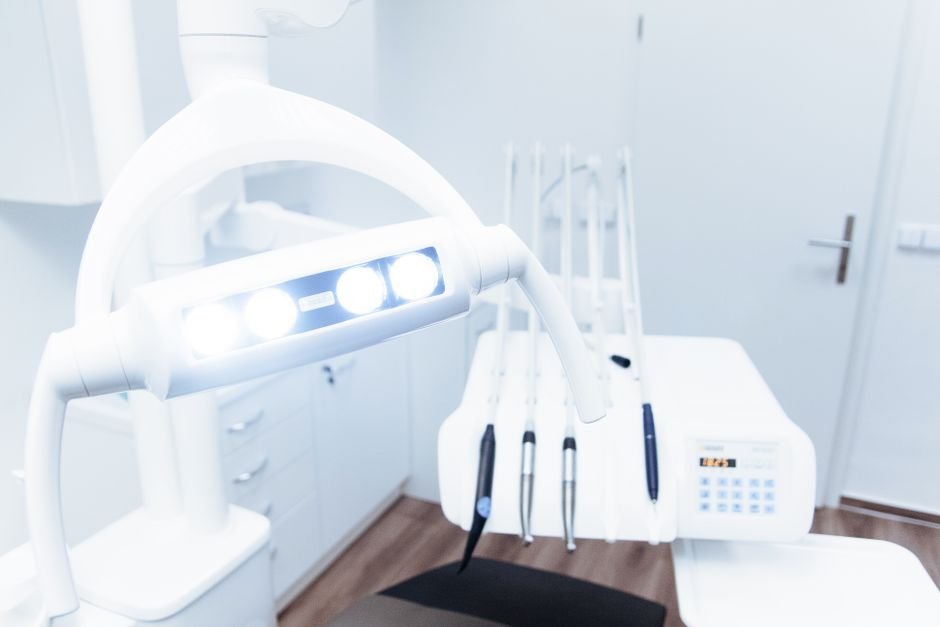
Top Dental Clinics in Campbelltown, NSW

Campbelltown and the wider Macarthur region have a strong choice of dental clinics, from long-standing family practices on Queen Street to clinics in Marketfair and nearby Leumeah and Bradbury. If you are looking for a dentist in Campbelltown for routine check-ups, children’s care

Helping Children Build Confidence in Dental Visits
Confidence at the dentist is not something children arrive with naturally; it is built gradually through repeated positive experiences, honest preparation, and the tone adults set before and during each visit. A child who feels informed and unsurprised by what happens in the

How School Snacks Affect Children’s Dental Health
School snacks affect children’s dental health because they add extra episodes of sugar and starch exposure during the day, often at times when children cannot brush afterwards. Each snack triggers an acid attack on the enamel that lasts around 20 to 40 minutes.

How to Choose a Child Friendly Dental Practice
Choosing a child-friendly dental practice comes down to finding a team experienced with young patients, an environment designed to feel welcoming rather than clinical, and a communication style that helps children understand what is happening without feeling frightened. The right fit can shape
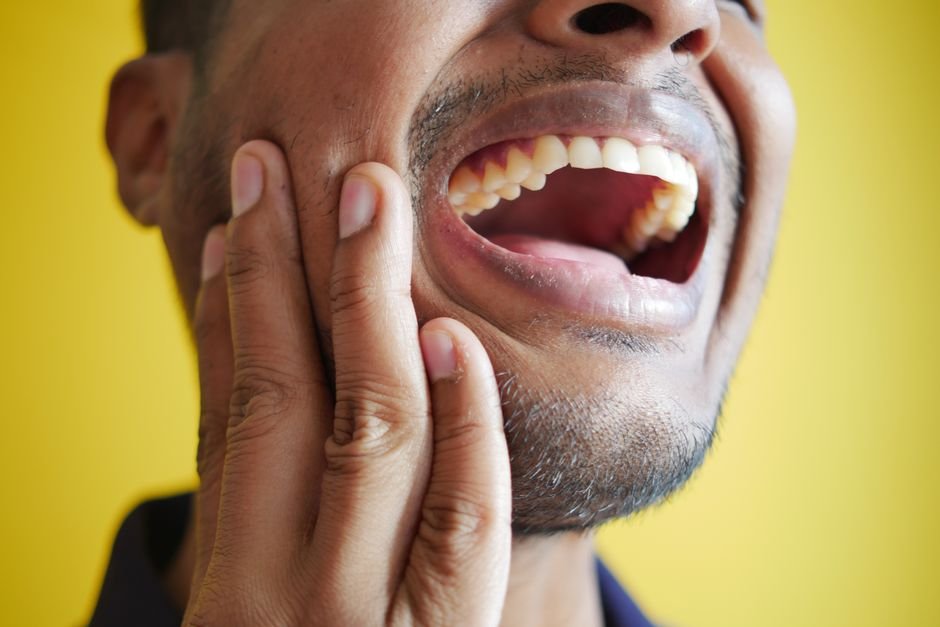
How to Handle a Dental Emergency Involving a Child
If your child has a knocked-out tooth, a chipped tooth, or a sudden toothache, stay calm, rinse the area gently with water, control any bleeding with a clean cloth, and contact a dentist or emergency dental service promptly for guidance. Most dental emergencies

How Stress Manifests as Teeth Grinding
Stress manifests as teeth grinding, known clinically as bruxism, because the body’s fight-or-flight response tightens the jaw muscles and often triggers repetitive clenching or grinding, especially during sleep. When the nervous system stays on high alert, that tension has to go somewhere, and

Understanding Space Maintainers After Early Tooth Loss
A space maintainer is a small custom-made dental appliance that holds open the gap left by a baby tooth lost before its natural time, preventing neighbouring teeth from drifting into the space before the permanent tooth is ready to come through. By keeping

How Genetics Influence a Child’s Dental Development
A child’s dental development is shaped by far more than daily brushing habits and diet alone. Genetics play a substantial role in determining tooth size, jaw shape, enamel strength and even the timing of when teeth emerge. Understanding this inherited component doesn’t diminish
Recognising Early Signs of Childhood Tooth Decay
The early signs of childhood tooth decay include chalky white or brown spots on the teeth, visible pitting on the tooth surface, and increased sensitivity to sweet, hot, or cold foods, all of which can appear well before a cavity becomes obvious or

How to Ease a Child’s Anxiety Before Treatment
Easing a child’s anxiety before dental treatment generally involves clear, age-appropriate explanations of what will happen, choosing a dentist experienced with children, and using calm, positive language at home in the days leading up to the appointment. Children often fear the unknown more