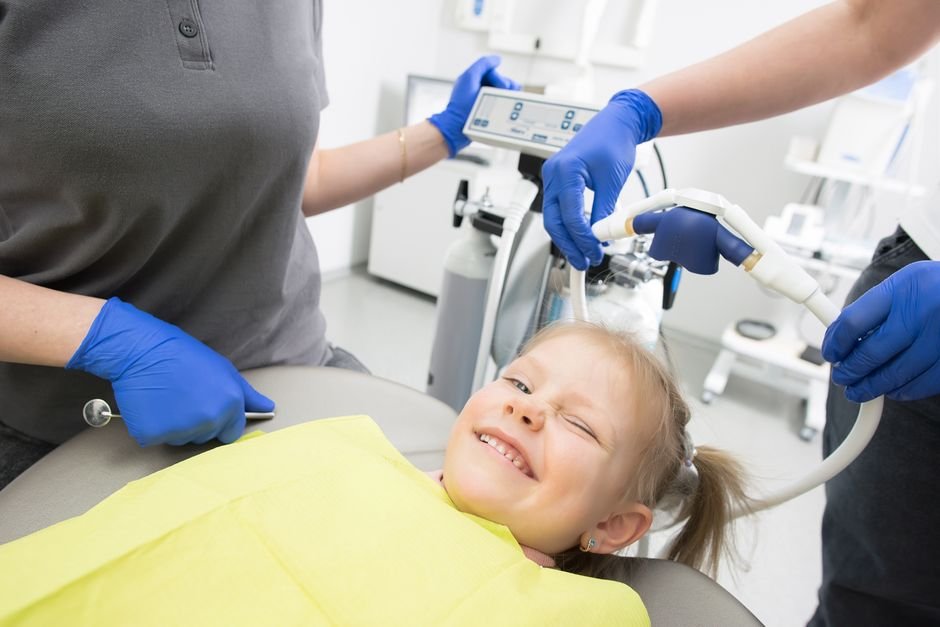
Fluoride treatments are a quick, painless dental procedure that strengthens a child’s tooth enamel and helps prevent cavities, and most children benefit from having one applied at their regular dental check-up. The treatment usually takes just a few minutes and involves a dentist or hygienist painting a concentrated fluoride varnish, gel, or foam directly onto the teeth, giving the enamel an extra layer of protection between visits.
Key takeaways
- Professional fluoride treatments are quick, painless, and typically applied twice a year at dental check-ups.
- Fluoride works by strengthening enamel and helping reverse early signs of decay before a cavity forms.
- Both topical fluoride (varnish, toothpaste) and the small amount found in tap water play complementary roles.
- Children at higher risk of decay may benefit from more frequent professional applications.
- Using the right amount of fluoride toothpaste for a child’s age helps avoid mild fluorosis.
What exactly is fluoride and why does it matter for children’s teeth?
Fluoride is a naturally occurring mineral found in soil, water, and many foods. When it comes into contact with teeth, it becomes part of the enamel structure, making it more resistant to the acid attacks that cause decay. Children‘s teeth are particularly receptive to fluoride because enamel is still maturing in the years after a tooth erupts, a process dentists call post-eruptive maturation.
During this window, fluoride can be incorporated more readily into the enamel’s crystal structure, forming a compound that is tougher and less soluble in acid than the original mineral. This is one of the reasons dental professionals place such emphasis on fluoride exposure during childhood, since the protective benefit gained in these early years can carry through into the permanent teeth that follow.
How does a professional fluoride treatment actually work?
During a professional application, a dentist or hygienist dries the teeth and paints on a fluoride varnish, gel, or foam that contains a much higher concentration of fluoride than toothpaste or tap water. The varnish sets on contact with saliva, forming a sticky film that keeps fluoride in close contact with the enamel for several hours after the appointment.
This concentrated contact time allows fluoride ions to penetrate the outer layers of enamel more deeply than a quick brush with toothpaste ever could. The mineral also helps interrupt the activity of the bacteria that produce the acid responsible for cavities, giving the tooth surface a chance to remineralise and repair microscopic damage before it turns into a hole.
At what age should children start having fluoride treatments?
Most dental organisations recommend that children begin receiving professional fluoride varnish as soon as their first teeth appear, often around their first birthday. Early application is considered safe because the amount used is small and carefully measured, and the benefit of protecting brand-new enamel from decay outweighs any theoretical risk.
From this point onward, fluoride varnish is typically reapplied every six months alongside routine dental check-ups, though a dentist may suggest a more frequent schedule for a child who shows early signs of decay or has other risk factors. Starting early also gets children used to dental visits being a normal, low-stress part of life.
Is fluoride treatment safe for young children?
Yes, when applied by a trained dental professional in an appropriately measured dose, fluoride treatment is considered safe for children of all ages, including toddlers. The varnish used in clinics sets quickly and only a very small amount is applied, so the chance of a child swallowing a significant quantity is low.
Safety guidelines exist precisely because fluoride is only beneficial within a certain range; too little offers minimal protection, while consistently swallowing large amounts over a long period can lead to cosmetic changes in developing teeth. This is why dentists carefully control the amount and frequency of professional treatments and advise parents on how much toothpaste is appropriate at home.
What is fluorosis and should parents be concerned about it?
Fluorosis is a cosmetic condition that can occur when a child consistently ingests more fluoride than necessary while their adult teeth are still forming under the gums, generally before around eight years of age. It appears as faint white flecks or lines on the enamel and, in its mild form, is barely noticeable and does not affect tooth strength or health.
The most common cause of mild fluorosis is young children swallowing toothpaste rather than spitting it out, which is why dentists recommend using only a rice-grain-sized smear for children under three and a pea-sized amount for those older, along with supervised brushing. Professional in-clinic fluoride applications, by contrast, are carefully dosed and do not meaningfully add to this risk.
How does fluoride toothpaste at home work alongside professional treatments?
Daily brushing with a fluoride toothpaste provides a steady, low-level topping-up of fluoride that complements the stronger, less frequent professional applications. Where the in-clinic varnish delivers a concentrated dose that lingers on the tooth surface, toothpaste offers a gentler exposure twice a day that helps maintain the protective effect between check-ups.
For this combination to work well, parents should supervise brushing until a child can reliably spit rather than swallow, usually around six or seven years old. Choosing a toothpaste with an age-appropriate fluoride concentration, as advised by a dentist or pharmacist, ensures children get the benefit without excessive exposure, and brushing for a full two minutes twice daily makes the biggest difference.
Which children benefit most from more frequent fluoride applications?
While every child can benefit from routine fluoride treatment, some are considered at higher risk of decay and may be advised to have varnish applied more often than the standard twice-yearly schedule. Risk factors include a history of previous cavities, deep grooves in the back teeth, limited exposure to fluoridated water, or a diet with frequent sugary snacks and drinks.
Children with certain medical conditions that reduce saliva flow, those wearing orthodontic appliances that make cleaning harder, or those who take medicines with a high sugar content may also fall into this higher-risk group. A dentist can assess these factors during a check-up and tailor a fluoride schedule that matches each child’s individual needs rather than applying a one-size-fits-all approach.
What can parents do at home to support fluoride’s protective effect?
Beyond brushing twice daily with the correct amount of fluoride toothpaste, parents can support their child’s oral health by limiting sugary and acidic snacks between meals, encouraging water as the main drink, and keeping up with regular dental check-ups where fluoride varnish can be reapplied. Consistency matters more than intensity when it comes to building strong habits.
It also helps to make brushing a shared, unhurried routine rather than a rushed chore, since thorough coverage of every tooth surface is what allows fluoride toothpaste to do its job properly. Flossing once a child has two teeth touching, along with attending every scheduled dental visit, rounds out a simple routine that keeps decay risk low throughout childhood.
What should parents expect during and after a fluoride appointment?
A typical fluoride treatment appointment is brief and straightforward. The dentist or hygienist will first check the teeth and may give them a light clean before drying the surfaces with a small brush or cotton swab. The fluoride varnish, gel, or foam is then applied directly to each tooth, usually taking no more than a few minutes from start to finish, with most children finding the process comfortable and easy to sit through.
Afterwards, the varnish forms a temporary coating that can make teeth feel slightly rough or look faintly yellow until it is brushed away later that day. Dentists commonly advise avoiding hot drinks, hard foods, and vigorous brushing for a few hours so the fluoride has time to work into the enamel. Once this window has passed, children can return to their normal eating and brushing routine without any lasting effects.
Frequently Asked Questions
How often should my child have a professional fluoride treatment?
Most children benefit from having fluoride varnish applied roughly twice a year during routine dental check-ups. A dentist may recommend more frequent applications, such as every three months, for a child considered at higher risk of tooth decay.
Can too much fluoride be harmful to my child?
Fluoride is safe within recommended amounts, but consistently swallowing excessive amounts while adult teeth are forming can lead to fluorosis, a cosmetic change in enamel appearance. This is why supervised brushing with an age-appropriate amount of toothpaste is recommended for young children.
What is the difference between fluoride varnish and fluoride toothpaste?
Fluoride varnish is a highly concentrated treatment applied by a dental professional a few times a year, designed to stay in contact with teeth for several hours. Fluoride toothpaste contains a lower concentration used daily at home to provide ongoing, gentle protection between professional visits.
Does my tap water already contain enough fluoride for my child?
Fluoride levels in tap water vary by location, and some areas have naturally low levels or no added fluoride at all. A dentist can advise whether a child’s water supply provides adequate protection or whether additional professional treatment is recommended.
Is it painful or unpleasant for a child to receive a fluoride treatment?
No, fluoride treatment is quick and painless, typically taking only a minute or two to apply. Children may notice a slightly sticky feeling on their teeth for a few hours afterwards, and dentists usually suggest avoiding hard or hot food and drink for a short period following the appointment.