How Lifestyle Habits Affect Cosmetic Dental Results

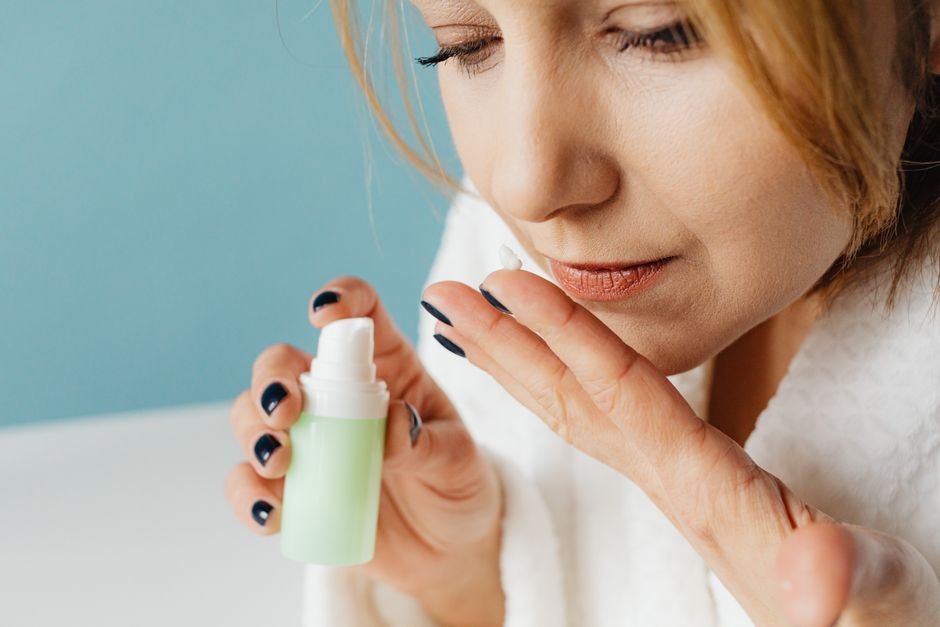
Cosmetic dental treatments can produce genuinely impressive results, but how long those results last and how well they hold up often depends heavily on everyday lifestyle habits. Diet, oral hygiene routines and certain personal habits all play a role in determining whether cosmetic

Understanding Composite Bonding for Minor Repairs
Composite bonding is a dental procedure in which a tooth-coloured resin is applied directly onto a tooth, shaped, and hardened with a curing light to repair chips, small gaps, discolouration or minor structural damage. It is usually completed in a single appointment, requires

How Smile Symmetry Is Assessed in Cosmetic Dentistry
Smile symmetry plays a central role in how cosmetic dental treatment is planned, since a balanced, proportionate smile tends to be perceived as more naturally attractive than one where features are noticeably uneven. Assessing symmetry involves far more than simply comparing the left
Cosmetic Fixes for Gaps Between Teeth
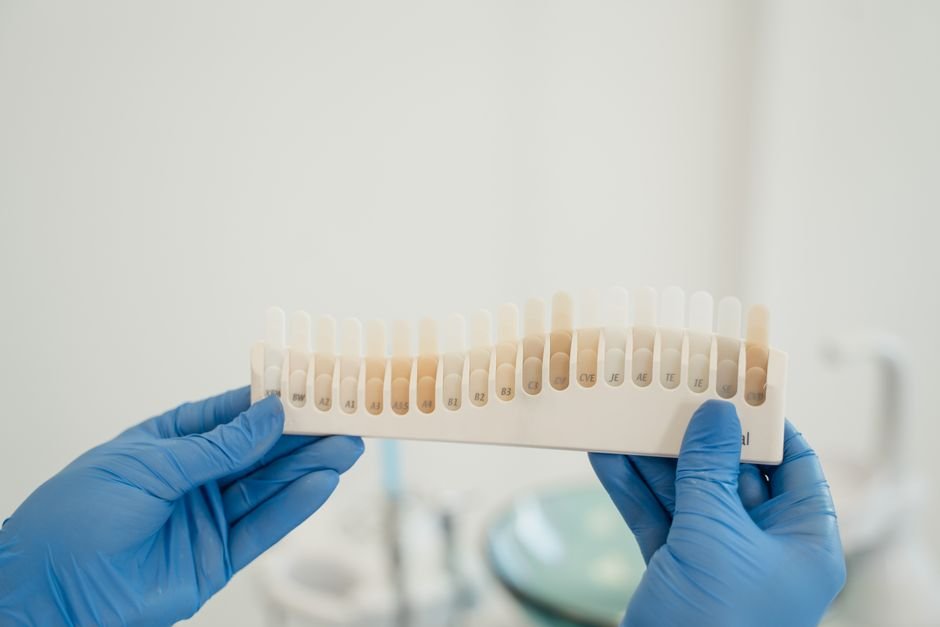
Gaps between teeth, known as diastemas, can be closed cosmetically with options ranging from simple composite bonding and porcelain veneers to orthodontic alignment with braces or clear aligners, depending on the size of the gap, the health of the surrounding teeth and gums,
How to Maintain Whitening Results Long Term
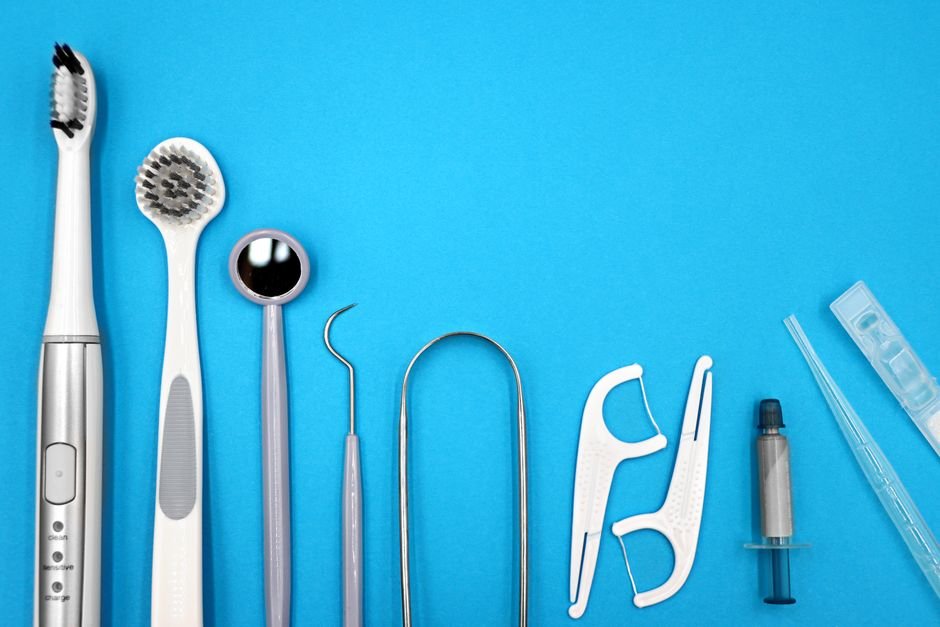
Maintaining teeth whitening results long term mainly comes down to limiting exposure to staining foods and drinks, keeping up a consistent oral hygiene routine, and scheduling occasional touch-up treatments as recommended by your dentist. Whitening results are not permanent, since teeth naturally continue
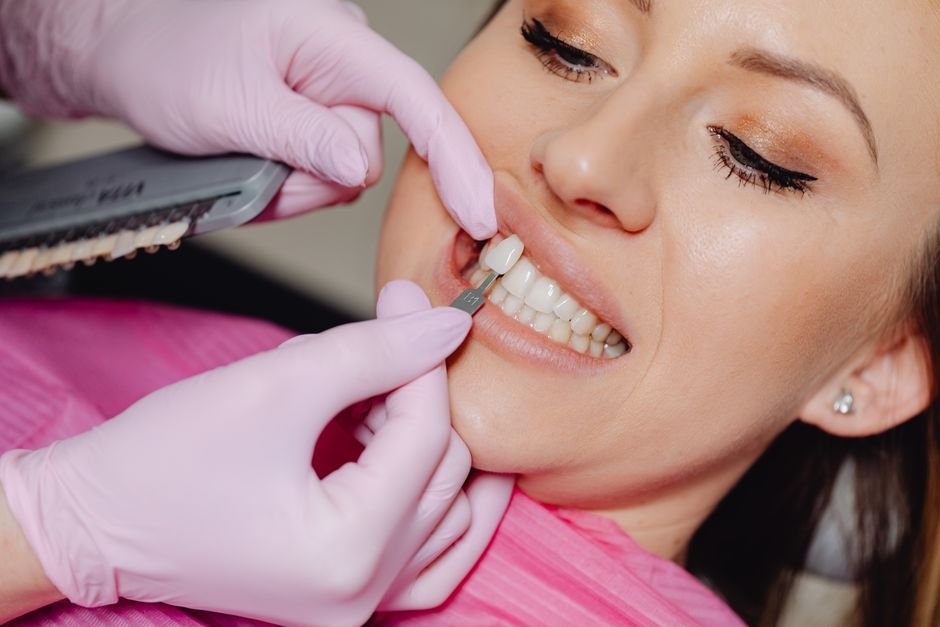
Understanding the Difference Between Veneers and Crowns
Veneers and crowns are both used to improve the appearance and function of teeth, but they differ in how much of the tooth they cover and why they are typically used. A veneer is a thin shell bonded to the front surface of
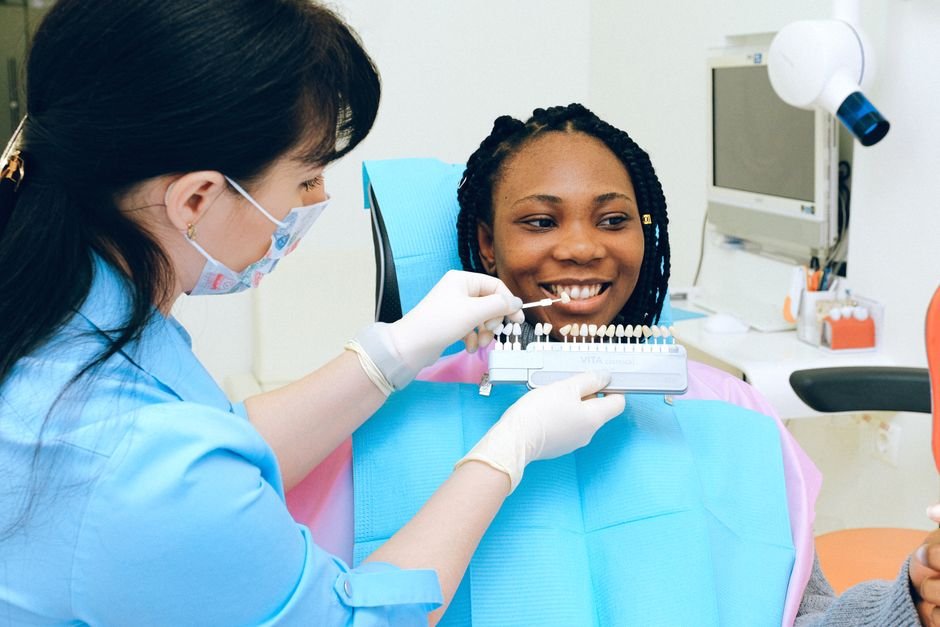
How Teeth Whitening Actually Works on Enamel
Whitening treatments use a peroxide based compound that penetrates the porous surface of enamel, breaking down the pigmented particles responsible for staining. This chemical process, rather than any kind of scrubbing or abrasion, is what makes professional whitening far more effective than simply