For most people, a soft-bristled toothbrush is the right choice, because soft bristles clean plaque from teeth and along the gumline effectively while being gentle enough to avoid wearing down enamel or irritating gum tissue. Medium and firm bristles feel more “thorough” to many people, but they do not remove plaque any better than soft bristles and are far more likely to cause long-term damage to gums and tooth surfaces. The right bristle type ultimately depends on your gum health, brushing technique, and any dental work you have, but soft is the safe default recommendation for the vast majority of people.
Key takeaways
- Soft bristles are recommended for almost everyone, as they clean effectively without damaging gums or enamel.
- Medium and firm bristles do not clean better than soft ones and raise the risk of gum recession and enamel wear.
- Gentle, circular brushing technique matters more than bristle firmness for a thorough clean.
- People with sensitive teeth, receding gums, braces, or recent dental work usually benefit most from extra-soft bristles.
- A toothbrush should be replaced roughly every three months, or sooner if bristles look frayed, regardless of bristle type.
Soft, Medium, or Firm: Why Do Dentists Generally Recommend Soft Bristles?
Toothbrushes are typically sold in soft, medium, and firm bristle varieties, and it can be tempting to assume that firmer bristles will scrub away more plaque. In reality, plaque is a soft, sticky film that soft bristles remove perfectly well when combined with proper technique and adequate brushing time. Firm bristles do not offer a meaningful cleaning advantage over soft ones for everyday use.
What firmer bristles do add is friction and pressure against the tooth surface and gum tissue, which increases the risk of harm without improving the clean. This is why soft bristles are the standard recommendation across general dental advice: they reach into the small grooves of teeth and along the gumline gently, clearing away plaque and food debris without stripping away protective tissue or tooth structure over months and years of daily use.
Why Can Firmer Bristles Cause Gum Recession and Enamel Wear Over Time?
Gum tissue is delicate, and repeated abrasion from firm bristles, especially when combined with heavy hand pressure, can gradually cause the gumline to pull back from the tooth. This is known as gum recession, and once it happens the exposed tooth root is more vulnerable to sensitivity and decay. The damage tends to build up slowly, so many people do not notice it happening until the recession is already visible.
Enamel, the hard outer layer of the tooth, can also be affected. While enamel is tough, it is not indestructible, and constant mechanical wear from stiff bristles combined with scrubbing motions can thin it over time, particularly near the gumline where enamel is naturally thinner. Once enamel wears away, it does not regenerate, which is why choosing a gentler bristle type from the outset is a sensible, low-effort preventive habit.
How Does Bristle Choice Interact With Brushing Technique and Pressure?
Bristle firmness and brushing pressure work together, and either one on its own can undo the benefit of the other. Even a soft-bristled brush can cause gum irritation if it is pressed hard against the teeth in a vigorous back-and-forth scrubbing motion. Conversely, a gentle touch with the correct technique makes a soft brush highly effective without any risk of abrasion.
The generally recommended approach is to angle the brush at roughly forty-five degrees toward the gumline and use small, gentle circular motions rather than harsh horizontal scrubbing. Many electric toothbrushes now include pressure sensors that alert the user when they are pressing too hard, which can be a useful tool for anyone unsure whether their technique is too aggressive, particularly if they have previously used medium or firm bristles.
What Should People With Sensitive Teeth or Receding Gums Consider?
Anyone already experiencing tooth sensitivity or gum recession should generally choose the softest bristle option available, sometimes labelled as extra-soft or sensitive. These brushes are designed to minimise further irritation to exposed root surfaces and thinning gum tissue, which are more reactive to temperature, pressure, and touch than healthy enamel and intact gums.
In these cases, brushing technique becomes even more important than usual, since exposed areas can be aggravated easily. A light touch, a smaller brush head that can manoeuvre around sensitive spots, and consistent gentle brushing twice daily tend to help manage discomfort while still keeping plaque under control. Anyone with ongoing sensitivity or visible recession is best placed discussing the issue with a dental professional for tailored advice.
What Bristle Considerations Apply for Braces or Other Dental Work?
People wearing braces or with other fixed dental work such as bridges often find that soft bristles are still the appropriate choice, since the goal remains cleaning thoroughly without damaging gum tissue or enamel around brackets and wires. Firmer bristles can be particularly uncomfortable around brackets and may increase the risk of gum irritation in areas that are already harder to clean.
Specialised brush shapes, such as those with a V-shaped bristle pattern or interdental brushes, are often recommended alongside a standard soft toothbrush to reach around brackets and wires more effectively. The bristle material itself should still be soft, with the shape and design of the brush head doing the extra work of navigating the additional hardware in the mouth.
How Often Should a Toothbrush Be Replaced, Regardless of Bristle Type?
Regardless of whether bristles are soft, medium, or firm, a toothbrush should generally be replaced approximately every three months. Bristles gradually lose their shape and flexibility with regular use, becoming less effective at flexing into the small spaces between teeth and along the gumline, even if they do not look visibly damaged.
Replacement should happen sooner than three months if the bristles start to splay outward, flatten, or fray, since worn bristles clean less effectively and can sometimes feel more abrasive against the gums as they lose their original shape. It is also sensible to replace a toothbrush after recovering from an illness, to avoid reintroducing anything that may have collected on the bristles.
What Natural or Alternative Bristle Materials Are Available?
Alongside standard synthetic bristles, some toothbrushes use alternative or plant-derived bristle materials marketed as more environmentally friendly options. These alternative materials are generally designed to mimic the softness and flexibility of conventional soft bristles, and the same principle applies: softness matters more than the specific material when it comes to protecting gums and enamel.
Whatever the bristle material, it is worth checking that the brush is clearly labelled soft, since firmness can vary between manufacturers and materials even within the same general category. The handle material, sustainability credentials, or bristle source do not change the core guidance around softness, brushing technique, and regular replacement, which remain the most important factors for long-term oral health.
How Can You Tell When Bristles Are Worn Out?
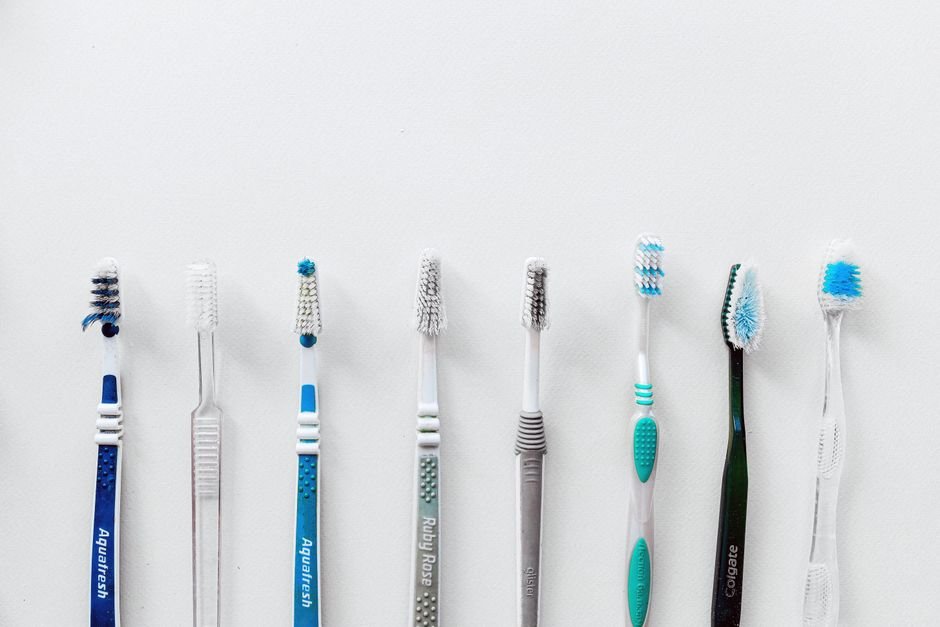
Worn bristles are usually easy to spot once you know what to look for. They often lose their upright shape and begin to splay outward or flatten against the brush head, rather than standing straight and flexible. Discolouration of the bristles can also be a sign that a brush has been in use for too long and should be swapped out.
A worn brush loses much of its cleaning efficiency because splayed bristles cannot flex properly into tight spaces between teeth or curve gently along the gumline. Continuing to use a frayed brush can also increase the chance of gum irritation, since the bristles no longer move the way they were originally designed to. Checking bristle condition every few weeks is a simple habit that helps maintain effective daily cleaning.
Frequently Asked Questions
Are soft bristles really enough to remove plaque effectively?
Yes. Plaque is a soft film that soft bristles remove effectively when combined with proper brushing technique and adequate time spent on each area of the mouth. Firmer bristles do not provide better plaque removal, and the extra abrasiveness they add offers no real cleaning benefit while increasing the risk of gum and enamel damage.
Can switching from firm to soft bristles reverse existing gum recession?
Switching to soft bristles will not reverse gum recession that has already occurred, since gum tissue does not regrow once it has receded. However, switching promptly can help prevent the recession from progressing further, which makes it a sensible step for anyone who notices early signs of gum sensitivity or a receding gumline.
Is it better to brush harder if teeth feel like they are not fully clean?
No, brushing harder is not the answer and can make matters worse by irritating gums and wearing enamel over time. If teeth do not feel clean, it is generally more effective to focus on brushing technique, spend more time on each section of the mouth, and ensure all surfaces, including the gumline, are being reached gently but thoroughly.
Do electric toothbrush heads need the same bristle softness consideration?
Yes, the same principles apply to electric toothbrush heads as to manual brushes. Most electric brush heads are designed with soft bristles as standard, since the device itself already provides consistent motion and cleaning power. Choosing a soft head and avoiding excessive manual pressure remains just as important as with a manual toothbrush.
Should children use a different bristle type than adults?
Children should also use soft bristles, generally on a brush sized appropriately for a smaller mouth and hand grip. Children’s gum tissue and developing teeth can be just as vulnerable to abrasion from firm bristles, so softness remains the priority, alongside supervision to encourage gentle technique rather than heavy scrubbing pressure.