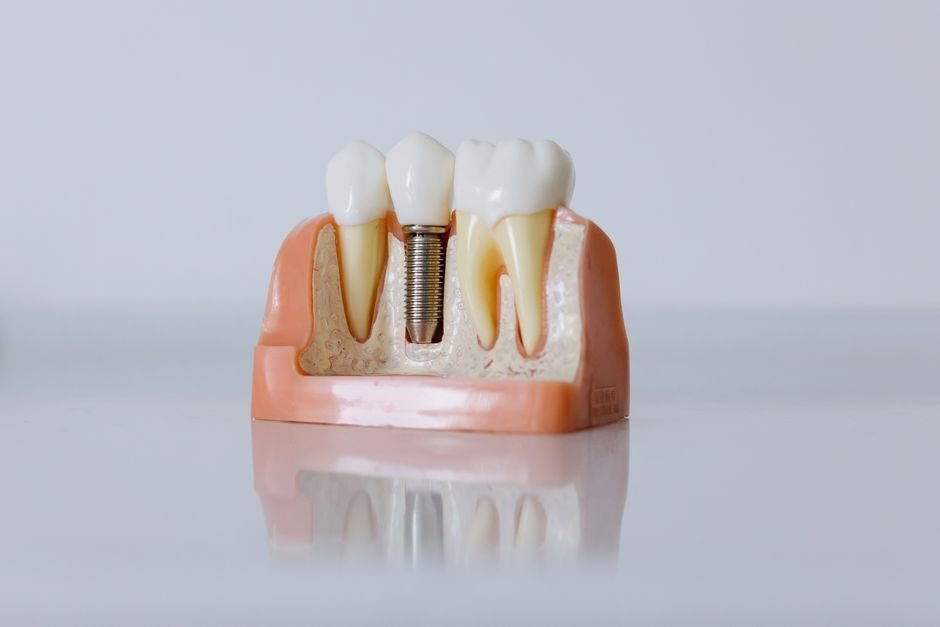
An implant can sometimes be placed on the same day as a tooth extraction, though many cases benefit from allowing the extraction site to heal for a few months first. Which approach is right depends on the condition of the surrounding bone and gum tissue at the time of extraction, which your dentist will assess before recommending a timeline that suits your specific situation.
Key takeaways
- Immediate implants are possible but not suitable for every extraction site.
- Healthy bone and gum tissue improve the chances of immediate placement.
- Delayed placement allows the socket to heal before implant surgery.
- Bone grafting may be needed if the socket has thinned significantly.
What Questions Should You Ask Before Extraction?
If you already know a tooth will need to be extracted and eventually replaced with an implant, raising the topic early gives your dentist the chance to plan the extraction itself with future implant placement in mind. This can include techniques that better preserve the surrounding bone from the very start.
Asking specifically whether immediate or delayed placement is more likely to be recommended for your case, and why, helps set realistic expectations well before the extraction appointment itself takes place.
Can an Implant Really Be Placed the Same Day as an Extraction?
In some cases, yes. If the extraction site has healthy surrounding bone and no signs of infection, a dentist may place the implant immediately into the socket left behind, reducing the total number of procedures needed overall.
This approach is not suitable for every situation, particularly if the tooth was removed due to infection or if the surrounding bone has already thinned, in which case healing time is usually needed first. A thorough clinical assessment at the time of extraction is what ultimately determines whether this faster route is a realistic option.
Why Might a Dentist Recommend Waiting Before Placing an Implant?
Waiting allows the extraction site to heal naturally, which can preserve more bone volume in the area and create a more stable foundation for the implant later. This delayed approach is often considered a safer option when there is any uncertainty about the health of the surrounding tissue.
A typical waiting period ranges from a couple of months to several months, depending on how quickly the individual heals and how much bone remodelling needs to occur before implant surgery can proceed confidently. Some dentists prefer this cautious approach as a default, reserving immediate placement only for cases where the clinical picture is especially favourable.
What Happens to the Jawbone After a Tooth Is Removed?
Once a tooth is extracted, the jawbone in that area naturally begins to shrink over time without the stimulation a tooth root normally provides. This is one of the key reasons dentists often recommend replacing a missing tooth relatively soon, whether with an implant or another option.
If too much time passes and significant bone loss occurs, a bone graft may become necessary before an implant can be placed securely, adding an extra step and additional healing time to the process. This natural bone loss tends to accelerate somewhat in the months immediately following extraction, which is part of why timing matters.
How Is the Socket Prepared for an Implant?
Whether an implant is placed immediately or after a healing period, the socket needs to be clean, free of infection, and structurally sound before surgery. Your dentist will use imaging to assess bone volume and density in the area to confirm it can support an implant successfully.
In cases where bone volume is borderline, a graft can be placed at the same time as the extraction to help preserve the site for future implant placement, even if the implant itself is delayed. This preservation technique, sometimes called socket preservation, has become increasingly common precisely because it keeps more options open for later treatment.
What Should You Expect During the Healing Period?
Whether you go with immediate or delayed placement, the weeks following surgery involve gradual healing as the bone integrates with the implant. Soft foods, gentle oral hygiene around the area, and avoiding pressure on the surgical site all help support this healing process.
Regular follow up appointments allow your dentist to monitor progress and confirm the implant is integrating as expected before moving on to the final restoration. Most people find that any initial discomfort settles within a week or two, even though the underlying bone integration process continues quietly for several months.
What Are the Advantages and Disadvantages of Each Timing Approach?
Immediate placement offers the clear advantage of fewer overall procedures and a shorter total treatment timeline from extraction to a functioning implant. The main trade off is that it requires very favourable conditions at the time of extraction, which not everyone will have.
Delayed placement, while requiring patience, offers a more predictable healing environment and is often considered the lower risk option when there is any doubt about bone quality. Neither approach is universally better, since the right choice depends entirely on the specific clinical circumstances of each patient.
How Should You Prepare for This Kind of Treatment?
Discussing your full medical history, including any medications, smoking habits, or conditions like diabetes, with your dentist ahead of time helps them recommend the safest and most effective approach for your specific case. These factors can meaningfully affect both healing speed and implant success rates.
Asking your dentist directly why they are recommending a particular timeline, rather than assuming one approach is automatically better, can also help you feel more confident and informed about the treatment plan you ultimately choose.
What Role Does Overall Health Play in This Decision?
Conditions that affect healing more broadly, such as uncontrolled diabetes, certain autoimmune conditions, or a compromised immune system, can influence both the timing decision and the overall success rate of implant treatment following an extraction. Being upfront with your dentist about your full medical picture allows them to plan more accurately around these factors.
Smoking is another significant factor, since it has been shown to slow healing and increase the risk of complications after both extractions and implant surgery. Some dentists specifically recommend a period of reduced or no smoking around the time of treatment to improve the odds of a smooth recovery.
How Do Dentists Decide Between the Two Approaches for a Specific Patient?
The decision ultimately comes down to a combination of factors assessed at the time of extraction, including bone quality, the presence or absence of infection, the size and shape of the socket, and the patient’s overall health profile. No single factor determines the outcome on its own, which is why this decision is always made on a case by case basis rather than following a fixed rule.
A dentist experienced in implant treatment will typically walk through this reasoning with you directly, explaining specifically why a particular timeline is being recommended for your individual case rather than leaving it as an unexplained decision.
Frequently Asked Questions
Is immediate implant placement riskier than waiting?
When a patient is well suited to the approach, immediate placement carries a similar success rate to delayed placement, though not every case is appropriate for it.
How long does bone typically take to heal after an extraction?
Initial healing usually takes a few weeks, though full bone remodelling in the area can continue for several months afterwards.
Will I need a bone graft if I wait too long to replace a tooth?
It becomes more likely the longer a gap is left, since the jawbone gradually loses volume without a tooth root to stimulate it.
Can I have a temporary tooth while waiting for an implant?
Yes, options such as a removable partial denture or a temporary bridge can fill the gap while the extraction site or implant heals.
Does the location of the extracted tooth affect the timeline?
Yes, front teeth and back teeth can heal differently due to bone density and bite force differences, which your dentist will factor into your treatment plan.