
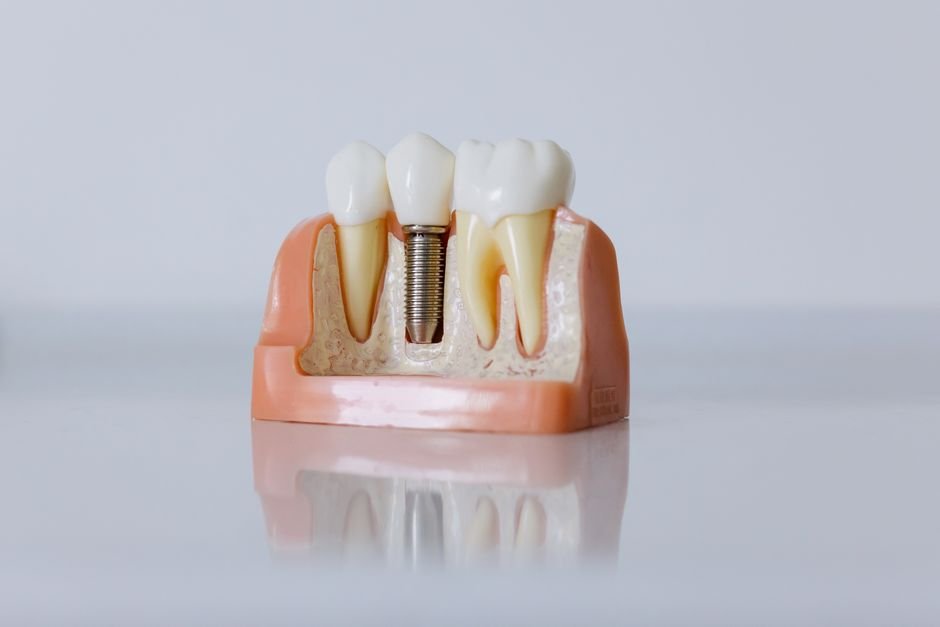
Dental implants often carry a higher upfront cost compared to other tooth replacement options, which can make them seem like the less practical choice at first glance. However, when evaluated over a longer timeframe, factoring in durability, maintenance and overall oral health impact, implants frequently represent a genuinely sound long-term investment rather than simply an expensive alternative.
Key takeaways
- Implants are designed for long-term durability, often lasting many years.
- They help preserve jawbone density in ways other options do not.
- Reduced need for repeated replacement can offset the initial cost over time.
- Implants support surrounding teeth without altering their structure.
- Proper care significantly extends the functional life of an implant.
How Long Do Dental Implants Typically Last?
One of the defining features of dental implants is their potential longevity. With proper care, the implant itself, the titanium or ceramic post integrated into the jawbone, can last for decades, in many cases for the remainder of a person’s life. This stands in contrast to some other tooth replacement options, which often require replacement or significant adjustment after a more limited number of years.
The crown attached to the implant, the visible portion that looks like a natural tooth, may eventually need replacement due to normal wear, but this is generally a far less involved process than replacing an entire restoration. This distinction, a durable foundation supporting a replaceable surface component, is central to why implants are often framed as a long-term rather than short-term solution.
How Do Implants Help Preserve Jawbone Structure?
When a tooth is lost, the underlying jawbone in that area gradually loses density over time, since the stimulation it previously received from the tooth root during chewing is no longer present. This bone loss can affect facial structure and even the fit of other dental work over the years. Implants are unique among replacement options in that they integrate directly with the jawbone, providing similar stimulation to a natural tooth root.
This bone-preserving effect is one of the more significant long-term advantages of implants, since it helps maintain the structural integrity of the jaw in ways that other replacement options generally cannot. Over a period of many years, this can translate into better facial support and reduced likelihood of needing additional bone-related treatment later on.
How Does the Total Cost Compare Over Time?
While the initial cost of an implant is usually higher than alternatives, this comparison changes when viewed over a longer period. Other replacement options may require periodic relining, adjustment or full replacement every several years, and these recurring costs can accumulate substantially over a couple of decades, sometimes approaching or exceeding the initial investment of an implant.
Implants, by contrast, are designed to minimise this kind of recurring expense, since the core structure is intended to remain stable for a very long time with appropriate care. This does not mean implants are always the cheaper option in every individual case, but the long-term cost comparison is considerably more favourable than the upfront price alone might suggest.
Do Implants Affect Neighbouring Teeth?
Some tooth replacement options require adjacent healthy teeth to be altered or used as anchors for support, which can affect their long-term structural integrity. Implants function independently, integrating directly with the jawbone rather than relying on neighbouring teeth for support. This means surrounding teeth remain untouched and unaltered, preserving their natural structure.
This independence is a meaningful long-term advantage, since it avoids introducing additional stress or wear on teeth that were otherwise healthy. Over the span of many years, protecting the integrity of neighbouring teeth in this way can help prevent a cascade of additional dental issues that might otherwise arise from relying on them for structural support.
What Kind of Maintenance Do Implants Require?
Despite their durability, implants are not entirely maintenance-free. They require the same consistent care as natural teeth, including regular brushing, flossing and dental checkups, to keep the surrounding gum tissue and bone healthy. Neglecting this care can lead to complications around the implant site, even though the implant material itself does not decay in the way natural teeth can.
The good news is that this maintenance routine is generally no more demanding than caring for natural teeth, making it a manageable long-term commitment rather than a significant additional burden. Consistent care substantially increases the likelihood that an implant will function well for its full potential lifespan.
How Does Implant Function Compare to Other Options Over Time?
Implants are designed to closely mimic the function of a natural tooth root, providing a stable, secure foundation for chewing that does not shift or require adjustment in the way some removable options can over time. This stability tends to remain consistent for as long as the implant and surrounding bone stay healthy, rather than gradually declining as some other solutions might.
This consistent functional performance over many years is part of what makes implants appealing from a long-term investment perspective. Rather than experiencing a gradual decline in fit or comfort that eventually necessitates replacement, a well-maintained implant tends to perform reliably for a very extended period, offering a degree of long-term predictability that is genuinely valuable.
Are Implants Suitable for Everyone Considering Long-Term Options?
While implants offer significant long-term advantages, they are not automatically the right choice for every individual. Adequate jawbone density and generally good oral health are typically necessary for successful implant placement, and certain health conditions can affect candidacy. A thorough evaluation helps determine whether an implant is a realistic long-term option for a specific situation.
For those who are good candidates, the long-term benefits, durability, bone preservation and stable function, tend to make implants a compelling option worth serious consideration, even accounting for the higher initial cost and the time required for the placement and healing process to be completed properly.
What Should Someone Weigh Before Committing to an Implant?
Choosing an implant involves weighing the higher initial investment and treatment timeline against the potential for decades of reliable function and reduced need for future replacement. This calculation looks different for each individual, depending on age, overall health, budget considerations and personal priorities around long-term dental care.
Having a detailed conversation with a dentist about realistic expectations, both in terms of the process involved and the likely long-term outcome, helps ensure this decision is well informed. For many people facing tooth loss, understanding the fuller long-term picture, rather than focusing solely on the initial cost, changes how the investment is ultimately perceived.
How Does the Healing and Integration Process Support Long-Term Success?
After an implant is placed, the surrounding bone gradually fuses with the implant surface through a process that typically takes several months to complete. While this waiting period can feel like a drawback compared to faster alternatives, this integration is precisely what gives implants their exceptional long-term stability once fully healed and settled into place.
This patient, methodical process is part of why implants tend to outperform faster solutions over an extended timeframe. Rushing or skipping appropriate healing time can compromise long-term outcomes, which is why following a dentist’s recommended timeline, even when it requires patience, is such an important part of securing the full long-term value of the investment.
Can Implants Improve Confidence and Quality of Life Over Time?
Beyond the structural and financial considerations, implants often provide a lasting improvement in day-to-day confidence and comfort. Because they function and feel similar to natural teeth, many people find that concerns about slipping, discomfort or dietary restriction that sometimes accompany other replacement options simply are not part of the long-term experience with a well-integrated implant.
This quality-of-life benefit, while harder to quantify than financial cost, is a genuine part of what makes implants a worthwhile long-term investment for many people. Being able to eat a full range of foods comfortably and confidently, without giving the replacement tooth a second thought, is a durable benefit that continues to pay off for years after the initial treatment is complete.
Frequently Asked Questions
Do dental implants ever need to be replaced?
The implant post itself is designed to last for decades and often does not need replacement. The visible crown may eventually need replacement due to normal wear, which is a less involved process than replacing the entire implant.
Are implants a good option for older adults?
Age alone does not disqualify someone from implant treatment. Candidacy depends more on overall health and jawbone density than age, and many older adults are successful implant candidates.
How is an implant different from a bridge in terms of longevity?
An implant integrates with the jawbone and does not rely on neighbouring teeth, generally offering greater long-term stability. A bridge relies on adjacent teeth for support and may need replacement or adjustment sooner.
What happens if the jawbone lacks enough density for an implant?
In some cases, a bone grafting procedure can help build up the area before implant placement. A dentist can assess bone density and discuss whether this additional step is appropriate for a specific situation.
Does implant maintenance require special products?
Standard oral hygiene tools, a soft-bristled toothbrush and regular flossing, are generally sufficient. A dentist may recommend specific products for cleaning around the implant if needed for a particular case.