
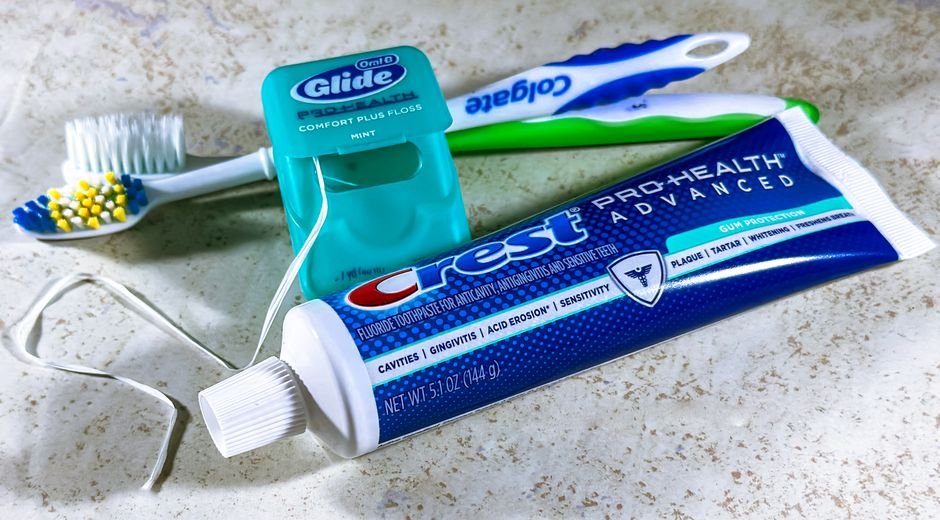
Sudden tooth sensitivity, that sharp jolt of pain when you sip something cold or bite into something sweet, usually signals that the protective enamel or gum tissue covering a tooth’s sensitive inner layer has been compromised in some way. The first practical steps are to switch to a toothpaste formulated for sensitivity, avoid extreme temperatures for a few days, and pay attention to whether the discomfort settles or worsens, since that pattern helps determine whether home care is enough or whether a dental professional needs to take a closer look.
Key takeaways
- Sudden sensitivity often results from worn enamel, gum recession, or a recently developed crack or cavity.
- Switching to a desensitising toothpaste and using a soft-bristled brush can bring noticeable relief within days.
- Avoiding very hot, cold, sweet, or acidic foods temporarily reduces triggering of the exposed nerve endings.
- Sensitivity that is severe, one-sided, or accompanied by swelling should be assessed by a dental professional promptly.
- Correcting brushing technique and reducing acid exposure are key steps in preventing sensitivity from returning.
What Causes Sudden Tooth Sensitivity to Appear?
Tooth sensitivity develops when the dentine layer beneath the outer enamel becomes exposed or when the nerve inside the tooth becomes irritated. Dentine contains microscopic tubules that lead directly to the nerve, so once this layer loses its protective covering, everyday stimuli such as temperature changes or sugary foods can trigger noticeable discomfort. A sudden onset often points to a specific, recent event, such as enamel wear from aggressive brushing, a new crack, or gum tissue that has begun to recede and expose the tooth root.
Other common triggers include recent teeth whitening, a newly placed filling that is still settling, or grinding the teeth during sleep, which gradually thins enamel over time before sensitivity becomes noticeable. Identifying what changed recently in your routine, diet, or dental history can offer useful clues about the underlying cause. In many cases, more than one factor contributes simultaneously, which is why a thorough assessment is often needed to pinpoint the exact source of the discomfort.
Why Do Hot and Cold Foods Suddenly Trigger Pain?
When dentine is exposed, temperature changes cause fluid inside the microscopic tubules to shift, which stimulates nerve endings and produces a sharp, often short-lived pain. This is why sensitivity is so frequently triggered by ice-cold drinks, hot tea or coffee, or even a rush of cold air on a chilly day. The intensity of the reaction can vary considerably from person to person, depending on how much dentine is exposed and how close the exposure is to the nerve itself.
Sweet and acidic foods can trigger a similar response, though through a slightly different mechanism, as sugars and acids interact directly with the exposed dentine surface. This is why a bite of chocolate or a sip of citrus juice can produce the same jolting discomfort as something cold. Recognising which specific triggers cause the most pain can help narrow down the likely cause and guide decisions about which foods and drinks to limit in the short term.
Could Worn Enamel Be Behind the Sensitivity?
Enamel wear is one of the most frequent causes of sensitivity, and it can happen gradually through years of brushing too hard, using a hard-bristled brush, or consuming acidic foods and drinks regularly. Acid softens enamel temporarily, and brushing immediately afterwards can accelerate the wearing away of this protective layer. Over time, thinning enamel exposes more of the underlying dentine, which explains why sensitivity often develops slowly before becoming suddenly noticeable at a certain threshold.
Teeth grinding, whether during sleep or as a response to stress, is another significant contributor to enamel wear, as the repeated pressure gradually flattens and thins the biting surfaces. People who grind their teeth may notice sensitivity concentrated on specific teeth that bear the most pressure. A dental professional can often identify characteristic wear patterns that point towards grinding as a contributing factor, which then guides recommendations for protective measures going forward.
Is Gum Recession a Common Culprit?
Gum recession occurs when the gum tissue pulls back from the tooth, exposing the root surface, which lacks the hard enamel covering found on the crown of the tooth. Because root surfaces are naturally more sensitive, recession is one of the most common reasons for sudden sensitivity, particularly along the gumline. Recession can result from brushing too vigorously, gum disease, ageing, or genetic factors that make some people more prone to it than others.
Once the root surface is exposed, it becomes vulnerable not only to temperature and sweetness but also to physical touch, meaning even a toothbrush bristle grazing the area can cause discomfort. Managing recession-related sensitivity often involves adjusting brushing technique and pressure, alongside professional treatments designed to protect the exposed surface. Left unaddressed, ongoing recession can continue to expose more of the root, so early attention tends to produce better long-term comfort.
What Immediate Steps Can Ease Sensitivity at Home?
When sensitivity first appears, switching to a toothpaste specifically formulated to reduce sensitivity is one of the most effective immediate steps, as these products work by blocking the tiny tubules in dentine that transmit pain signals. Using a soft-bristled toothbrush and a gentle brushing technique also helps prevent further irritation to already vulnerable areas. It typically takes a few days of consistent use for desensitising toothpaste to produce a noticeable reduction in discomfort.
Temporarily avoiding very hot, cold, sweet, or acidic foods and drinks gives irritated areas a chance to settle without repeated triggering. Rinsing with plain water after consuming anything acidic, rather than brushing immediately, helps protect enamel that has been softened. If sensitivity is linked to nighttime grinding, being mindful of jaw tension during the day and seeking advice about protective options can also reduce the ongoing strain placed on affected teeth.
Which Toothpaste Ingredients Help Reduce Sensitivity?
Desensitising toothpastes commonly contain potassium nitrate, which works by calming the nerve inside the tooth so it becomes less reactive to external stimuli over time. Other formulations use ingredients that physically seal the exposed dentine tubules, effectively blocking the pathway that allows temperature and pressure changes to reach the nerve. Both approaches can be effective, and some people find that switching between formulations or trying a different brand produces better results than expected.
Fluoride remains an important ingredient regardless of the specific desensitising formula chosen, since it supports the ongoing strengthening of enamel and exposed dentine surfaces. Consistency matters more than any single application, as the protective effect builds gradually with regular use rather than providing instant relief. Applying a small amount of the toothpaste directly to a particularly sensitive spot with a fingertip, in addition to normal brushing, is sometimes recommended for more targeted relief.
When Should Sudden Sensitivity Be Treated as Urgent?
While mild, generalised sensitivity often responds well to home care, certain warning signs suggest a need for prompt professional assessment. Pain that is severe, persistent, concentrated on a single tooth, or that lingers for an extended period after the triggering stimulus has been removed may indicate a deeper issue, such as a crack, a cavity reaching close to the nerve, or an infection requiring attention. Swelling, visible damage, or pain that disturbs sleep should also be assessed without unnecessary delay.
Sensitivity that develops immediately after a dental procedure is often expected and temporary, but discomfort that intensifies rather than improves over the following days or weeks is worth discussing with a dental professional. Sudden sensitivity that appears alongside a visible chip, crack, or dark spot on a tooth similarly warrants a proper examination, since these signs often point towards a structural problem rather than simple surface wear.
How Can Future Episodes of Sensitivity Be Prevented?
Long-term prevention centres on protecting both enamel and gum tissue from the habits most likely to damage them. Using a soft-bristled brush, applying gentle pressure, and allowing at least thirty minutes after consuming acidic food or drink before brushing all help preserve enamel over time. Limiting the frequency of acidic and sugary snacks throughout the day reduces the number of acid attacks the teeth must withstand, giving enamel more opportunity to remineralise between exposures.
Routine dental check-ups allow early signs of enamel wear, gum recession, or grinding to be identified before they progress to noticeable sensitivity. For those who grind their teeth, a properly fitted protective appliance worn during sleep can significantly reduce the ongoing pressure placed on tooth surfaces. Maintaining these habits consistently, rather than only reacting once discomfort appears, offers the most reliable path towards keeping sensitivity from returning in the future.
Frequently Asked Questions
How long does it take for desensitising toothpaste to work?
Most people notice a gradual reduction in sensitivity after using a desensitising toothpaste consistently for around two to four weeks. The formula works by calming the nerve or sealing exposed dentine tubules over repeated applications, so a single use is unlikely to provide lasting relief on its own.
Can sudden tooth sensitivity go away on its own?
Mild sensitivity linked to a temporary cause, such as recent whitening or a new filling settling in, can sometimes ease on its own within a week or two. However, sensitivity caused by ongoing enamel wear, recession, or an underlying structural issue is unlikely to resolve without addressing the root cause.
Is it normal for only one tooth to feel sensitive?
Yes, sensitivity localised to a single tooth is common and often points towards a specific, localised cause, such as a crack, a cavity, or a filling that needs attention. This pattern differs from generalised sensitivity across many teeth, which more often relates to broader enamel wear or gum recession.
Does brushing harder help remove the cause of sensitivity?
No, brushing harder typically worsens sensitivity rather than improving it, since excessive pressure accelerates enamel wear and gum recession, the very issues that expose sensitive dentine in the first place. A soft-bristled brush and gentle, consistent technique are far more effective for both comfort and long-term protection.
Can diet changes really make a noticeable difference to sensitivity?
Yes, reducing the frequency of acidic and sugary foods and drinks lessens the number of acid attacks on enamel each day, giving teeth more opportunity to recover between exposures. Small adjustments, such as drinking acidic beverages through a straw or rinsing with water afterwards, can meaningfully reduce ongoing irritation.