
Persistent bad breath most commonly originates from bacteria breaking down food particles and dead cells in the mouth, particularly on the tongue’s surface and between teeth, though it can also stem from dry mouth, certain foods, or underlying gum disease that requires professional treatment to fully resolve.
Key takeaways
- Bacteria breaking down food debris and dead cells is the most common cause of bad breath.
- The tongue’s surface often harbours more odour-causing bacteria than people realise.
- Dry mouth reduces saliva’s natural ability to wash away bacteria and neutralise odour.
- Persistent bad breath despite good hygiene can signal gum disease or another condition.
- Addressing the root cause is more effective than relying on mints or mouthwash alone.
Why Does Bacteria Cause Bad Breath in the First Place?
Bacteria naturally present in the mouth break down proteins from food particles, dead cells, and other organic material, producing sulfur compounds as a byproduct of this process, which are largely responsible for the unpleasant odour associated with typical bad breath.
This bacterial activity happens continuously, which is why bad breath can return relatively quickly after brushing if the underlying bacterial population is not adequately addressed through thorough, consistent oral hygiene covering all the areas where these bacteria tend to accumulate.
Why Does the Tongue Play Such a Significant Role?
The tongue’s surface, particularly toward the back, has a naturally textured structure that traps food debris, dead cells, and bacteria far more readily than the smoother surfaces of the teeth, making it one of the most significant yet frequently overlooked contributors to persistent bad breath.
Many people focus their oral hygiene routine entirely on brushing and flossing teeth while neglecting the tongue entirely, missing a substantial source of odour-causing bacteria that a simple tongue scraper or the back of a toothbrush can help address as part of a daily routine.
How Does Dry Mouth Contribute to Bad Breath?
Saliva plays an important protective role by washing away food particles and bacteria while also helping neutralise the acids these bacteria produce, meaning reduced saliva flow, whether from dehydration, certain medications, or breathing through the mouth, can significantly worsen bad breath.
This is part of why bad breath is often more noticeable first thing in the morning, since saliva production naturally decreases during sleep, giving bacteria extended time to accumulate and produce odour without the usual protective washing action saliva provides throughout a normal waking day.
Can Certain Foods Cause Lasting Bad Breath?
Foods like garlic and onions contain compounds that are absorbed into the bloodstream and eventually released through the breath as they are metabolised, meaning the odour can persist for hours after eating regardless of how thoroughly you brush your teeth immediately afterward.
While brushing, flossing, and rinsing can help address the immediate residue left in the mouth, the breath-related effect from these foods being processed internally will generally need to simply run its course over time as the body metabolises the responsible compounds fully.
When Does Bad Breath Signal an Underlying Gum Issue?
Persistent bad breath that does not improve with consistent, thorough oral hygiene can be a sign of gum disease, where bacteria accumulate below the gumline in pockets that regular brushing and flossing cannot fully reach without professional intervention to address properly.
This type of bad breath often has a distinctly different, more persistent quality compared to breath caused by food or temporary dryness, and it typically requires a dental visit for a proper diagnosis and treatment, such as a deep cleaning, rather than resolving through home care alone.
Can Bad Breath Be Related to Something Beyond the Mouth?
In some cases, bad breath can originate from sources beyond the mouth entirely, including sinus infections, tonsil stones, or digestive issues, though these causes are considerably less common than bacteria-related sources within the mouth itself.
If bad breath persists despite excellent oral hygiene and a dentist has ruled out gum disease or other oral causes, exploring these less common possibilities with a physician may be a reasonable next step to identify and address the underlying cause more precisely.
Why Don’t Mints and Mouthwash Fully Solve the Problem?
Mints and most mouthwashes work by temporarily masking odour with a stronger scent or providing a brief antibacterial effect, but they do not address the underlying bacterial buildup on the tongue or between teeth that continues producing odour shortly after the temporary effect wears off.
Relying solely on these temporary fixes without addressing the root cause, such as inconsistent tongue cleaning or inadequate flossing, tends to result in bad breath returning repeatedly throughout the day, since the actual source of the odour has not been meaningfully reduced.
How Can a Consistent Routine Address Bad Breath at Its Source?
Thorough brushing covering all tooth surfaces, daily flossing to remove debris between teeth, and regular tongue cleaning together address the primary sources of odour-causing bacteria far more effectively than any single step performed in isolation without the others.
Staying well hydrated throughout the day also supports natural saliva production, helping maintain the mouth’s own protective mechanism against bacterial buildup, making hydration a simple but genuinely useful addition to a comprehensive bad breath prevention routine.
When Should Persistent Bad Breath Prompt a Dental Visit?
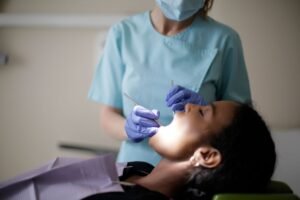
If bad breath continues despite a consistent, thorough oral hygiene routine including regular tongue cleaning and adequate hydration, scheduling a dental visit is a reasonable next step to check for gum disease, cavities, or other oral conditions that might be contributing to the persistent odour.
A dentist can also help rule out or confirm whether the cause might be dry mouth related to a medication, prompting a conversation about whether any adjustments or additional saliva-supporting strategies might help address the issue more effectively going forward.
What Should You Expect During a Dental Visit for Bad Breath Concerns?
A dentist will typically examine the gums and teeth closely for signs of disease, check for any visible tonsil stones or other unusual findings, and may ask detailed questions about your hydration habits, medications, and diet to help identify potential contributing factors more precisely.
Depending on the findings, treatment might involve a professional cleaning, tailored guidance on tongue cleaning and flossing technique, or a referral to another healthcare provider if the cause appears to extend beyond typical oral sources entirely.
How Do Dentures and Dental Appliances Factor Into Bad Breath?
Removable dental appliances like dentures, retainers, or mouthguards can harbour bacteria and food particles if not cleaned thoroughly and regularly, contributing to persistent bad breath even when the natural teeth and gums themselves are otherwise well cared for and healthy.
Following the specific cleaning instructions provided for any removable appliance, including regular soaking or brushing as recommended, helps prevent this often overlooked source of bacterial buildup from becoming an ongoing contributor to breath odour that might otherwise be mistakenly attributed to the natural teeth.
How Does Smoking Affect Breath Odour Long Term?
Smoking introduces its own distinct odour while also drying out the mouth and reducing saliva flow, compounding the effects of bacterial buildup already present. It is also associated with a higher risk of gum disease, which as previously discussed is itself a significant cause of persistent bad breath.
Reducing or quitting smoking often leads to a noticeable improvement in breath over time, both from the removal of the direct odour itself and from the gradual improvement in gum health and saliva flow that tends to follow once smoking is no longer contributing to ongoing dryness and irritation.
Frequently Asked Questions
Why does my breath smell bad even right after brushing?
This can happen if tongue cleaning is skipped, since the tongue harbours significant bacteria that brushing teeth alone does not address. Adding a tongue scraper to your routine often helps resolve this.
Can dry mouth really cause noticeable bad breath?
Yes, reduced saliva flow allows bacteria and food particles to accumulate without the usual protective washing action saliva provides, which is why bad breath is often more noticeable first thing in the morning.
Is bad breath always caused by something in the mouth?
Most cases originate in the mouth, but less commonly, bad breath can stem from sinus issues, tonsil stones, or digestive conditions, particularly if it persists despite excellent oral hygiene and a clean dental checkup.
Why doesn’t mouthwash permanently fix my bad breath?
Mouthwash typically masks odour temporarily rather than addressing the underlying bacterial buildup on the tongue or between teeth, which is why bad breath often returns once the temporary effect wears off.
When should I see a dentist about persistent bad breath?
If bad breath continues despite consistent, thorough oral hygiene including tongue cleaning and good hydration, a dental visit is recommended to check for gum disease or other underlying oral health issues.