

Why Flossing Technique Matters More Than Frequency

Flossing technique matters more than frequency because a quick, careless pass with floss can leave plaque behind even if it happens every single day. Flossing once properly, working the floss gently against both sides of each tooth and slightly under the gumline, removes

Understanding the Different Types of Mouthwash
Mouthwash generally falls into a handful of distinct categories, each formulated to address a specific goal, whether that is reducing bacteria, adding fluoride protection, controlling bad breath, or simply providing a cosmetic rinse of freshness, and understanding these categories makes it far easier
Dental Implants and Nutrition During Recovery
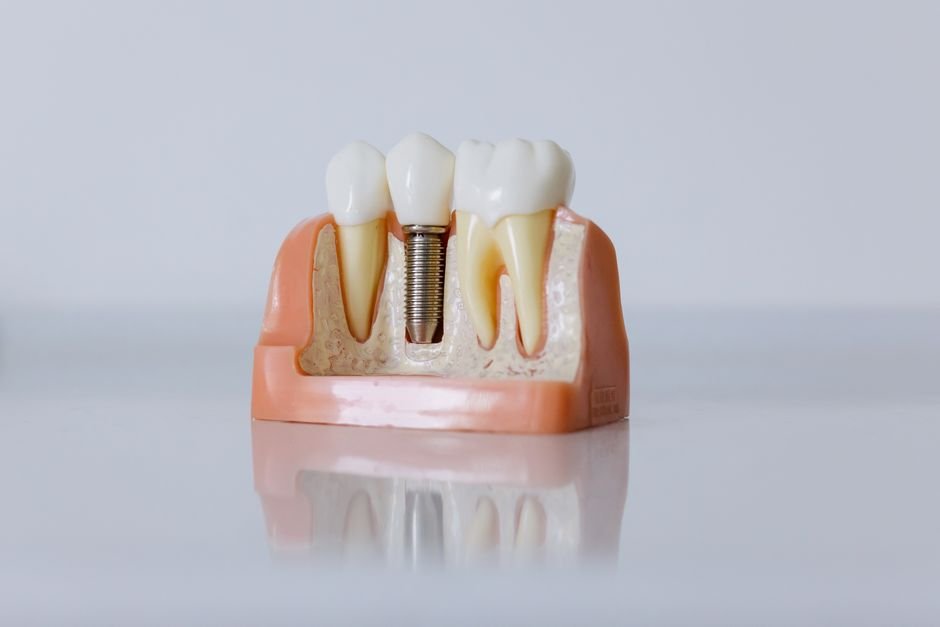
Nutrition during dental implant recovery plays a meaningful role in how smoothly the healing process goes, since the body needs adequate protein, vitamins, and minerals to support the bone and soft tissue healing that happens around the implant site in the weeks following

How Medication Side Effects Can Affect Your Teeth
Many common medications, from allergy treatments to blood pressure prescriptions, can have side effects that reach well beyond their intended purpose and quietly affect the mouth. Dry mouth, altered taste, changes in gum tissue and even shifts in enamel resilience are all documented

How Genetics Influence a Child’s Dental Development
A child’s dental development is shaped by far more than daily brushing habits and diet alone. Genetics play a substantial role in determining tooth size, jaw shape, enamel strength and even the timing of when teeth emerge. Understanding this inherited component doesn’t diminish

How Smile Symmetry Is Assessed in Cosmetic Dentistry
Smile symmetry plays a central role in how cosmetic dental treatment is planned, since a balanced, proportionate smile tends to be perceived as more naturally attractive than one where features are noticeably uneven. Assessing symmetry involves far more than simply comparing the left
Caring for Your Mouth Before Getting an Implant
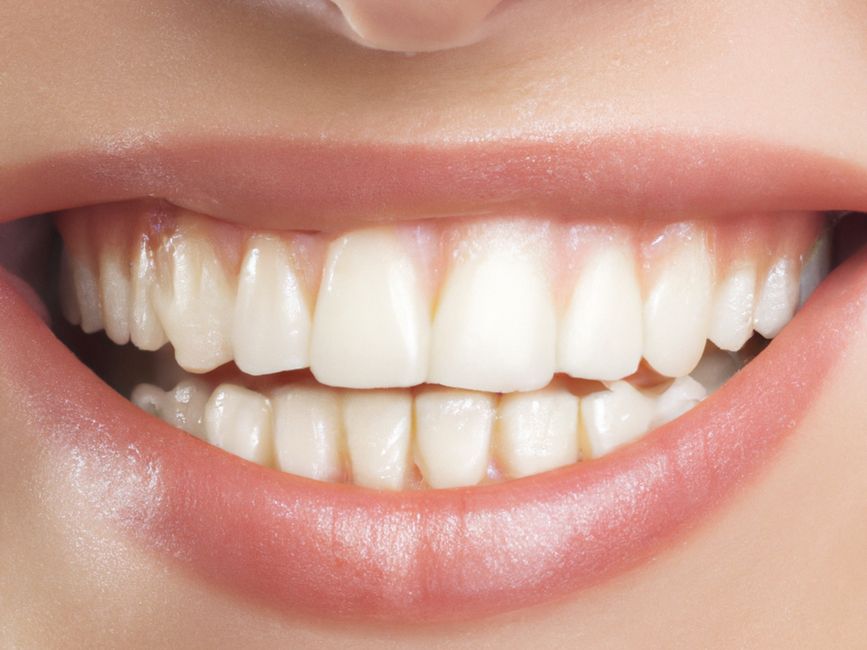
The preparation period before dental implant surgery plays a meaningful role in how smoothly the procedure and subsequent healing go, since the health of your gums, bone and surrounding teeth directly influences how well an implant integrates. Taking a few focused steps in

Understanding Dry Mouth and Its Common Causes
Dry mouth happens when the salivary glands produce less saliva than the mouth needs to stay properly moistened, and the causes range from simple dehydration and mouth breathing to medications, certain health conditions, and changes that come with ageing. Identifying the specific cause

Recognising Early Signs of Childhood Tooth Decay
The early signs of childhood tooth decay include chalky white or brown spots on the teeth, visible pitting on the tooth surface, and increased sensitivity to sweet, hot, or cold foods, all of which can appear well before a cavity becomes obvious or
Dental Implant Pain: What Is Normal and What Isn’t
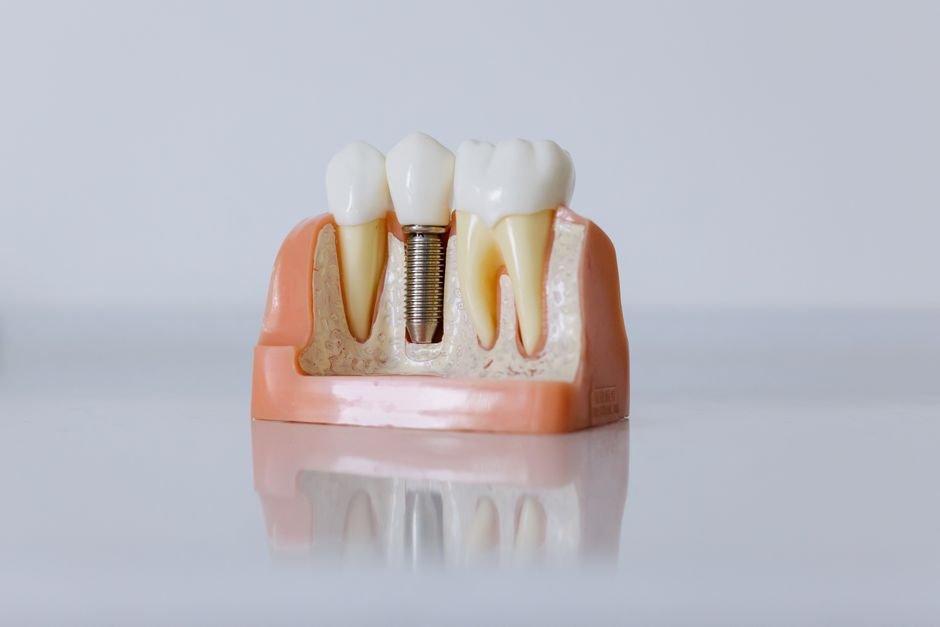
Mild soreness, tenderness, and swelling for three to five days after implant surgery are normal and expected. Sharp, worsening, or throbbing pain that appears after the first week, pain that spreads to the ear or jaw, or pain paired with fever, pus, or