
Understanding the Signs of Early Gum Disease

Early gum disease, known as gingivitis, usually announces itself through gums that look redder or puffier than usual and bleed when you brush or floss. It rarely causes pain at this stage, which is exactly why it is so easy to miss. Catching

Understanding the Basics of Tooth Anatomy
A tooth is made up of four main tissues working together: enamel, the hard outer shell that protects against wear and acid; dentin, the sensitive layer beneath it that gives the tooth its structure; pulp, the soft centre containing nerves and blood vessels;

The Role of Diet in Preventing Childhood Cavities
Childhood cavities are driven less by how much sugar a child eats and more by how often their teeth are exposed to it, because each exposure triggers an acid attack that softens enamel for around twenty to thirty minutes. A diet built around
What Causes Enamel Erosion Over Time
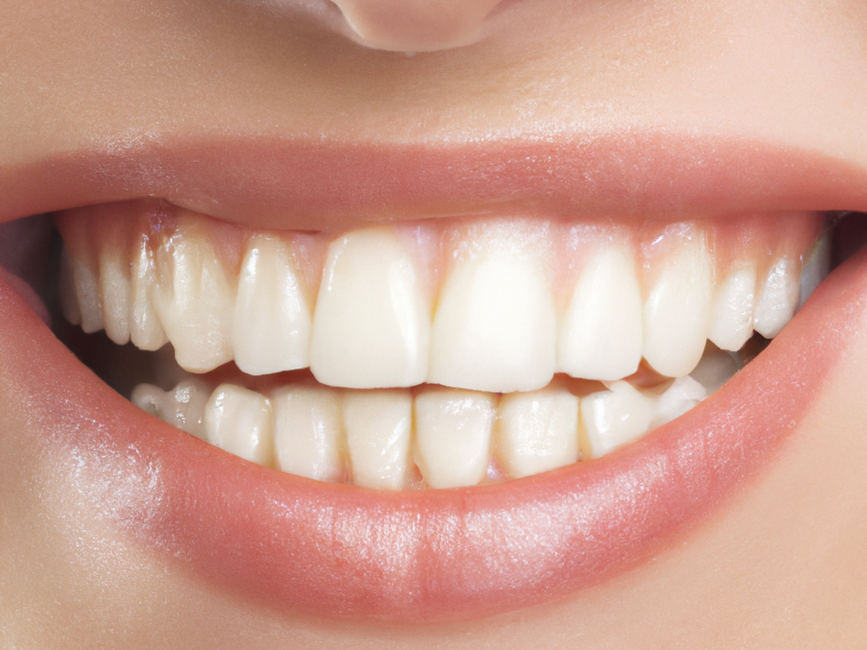
Enamel erosion happens when acids, whether from food and drink or from within the body, gradually dissolve the mineral structure of the tooth’s outer surface, softening and thinning it in a process that is different from decay caused by bacteria. Because enamel cannot

Understanding Space Maintainers After Early Tooth Loss
A space maintainer is a small custom-made dental appliance used to hold open the gap left by a baby tooth that has been lost too early, whether through injury, decay, or extraction, so that neighbouring teeth do not drift into the space before
The Role of Saliva in Preventing Tooth Decay
Saliva is one of the body’s most effective natural defences against tooth decay, working continuously to neutralise acids, wash away food debris, and supply the minerals that keep enamel strong. Without an adequate flow of healthy saliva, even a diligent brushing and flossing
How to Handle Sudden Tooth Sensitivity
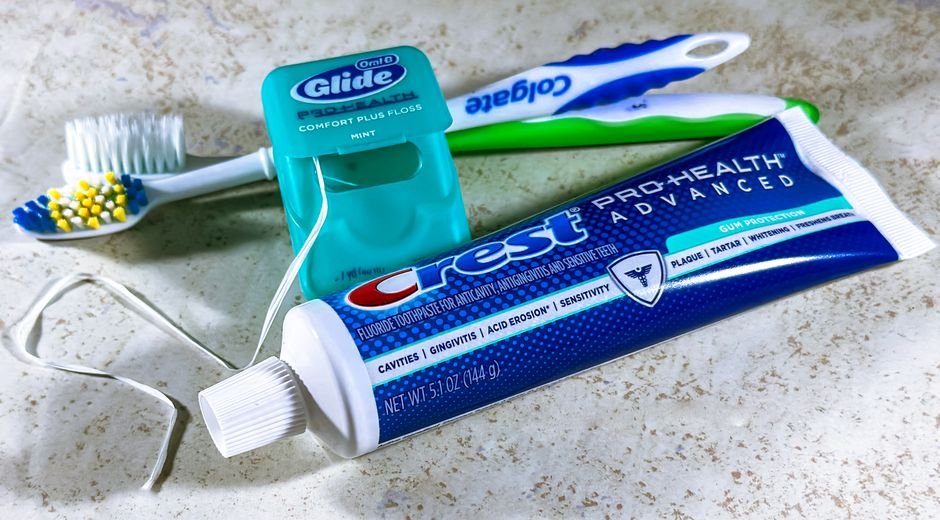
Sudden tooth sensitivity, that sharp jolt of pain when you sip something cold or bite into something sweet, usually signals that the protective enamel or gum tissue covering a tooth’s sensitive inner layer has been compromised in some way. The first practical steps

Why Flossing Technique Matters More Than Frequency
Flossing technique matters more than frequency because a quick, careless pass with floss can leave plaque behind even if it happens every single day. Flossing once properly, working the floss gently against both sides of each tooth and slightly under the gumline, removes

Understanding the Different Types of Mouthwash
Mouthwash generally falls into a handful of distinct categories, each formulated to address a specific goal, whether that is reducing bacteria, adding fluoride protection, controlling bad breath, or simply providing a cosmetic rinse of freshness, and understanding these categories makes it far easier

How Medication Side Effects Can Affect Your Teeth
Many common medications, from allergy treatments to blood pressure prescriptions, can have side effects that reach well beyond their intended purpose and quietly affect the mouth. Dry mouth, altered taste, changes in gum tissue and even shifts in enamel resilience are all documented