Peri implantitis is an infection and inflammation of the gum and bone surrounding a dental implant. It is caused mainly by plaque bacteria building up around the implant, and if left untreated it can gradually destroy the bone that holds the implant in place, eventually causing it to loosen. The good news is that it is largely preventable through thorough daily cleaning, regular professional maintenance and managing risk factors such as smoking and diabetes.
Key takeaways
- Peri implantitis is a bacterial infection that inflames the gums and destroys bone around an implant.
- It often begins as peri-implant mucositis, a reversible gum inflammation without bone loss.
- Bleeding, swelling, tenderness, pus or a loose implant are warning signs to report promptly.
- Smoking, diabetes, a history of gum disease and poor cleaning raise the risk significantly.
- Daily cleaning around the implant and regular professional check-ups are the best protection.
What Is Peri Implantitis?
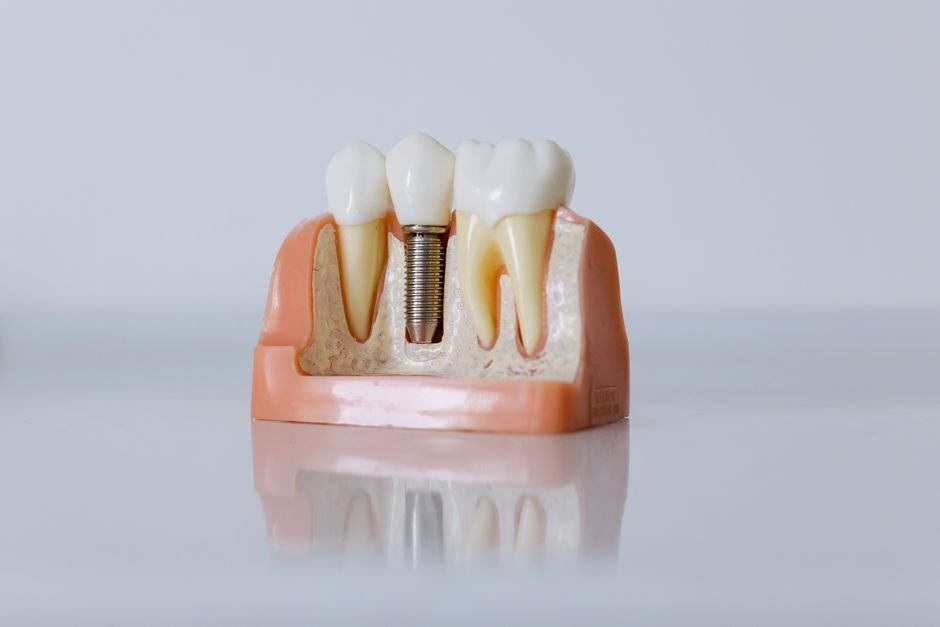
A dental implant is a small post, usually made from titanium or a similar material, placed in the jawbone to replace the root of a missing tooth. Over time, bone bonds closely to the implant surface, giving it a stable foundation for a crown, bridge or denture. The gum tissue around the top of the implant forms a seal, similar in some ways to the gum around a natural tooth. Peri implantitis develops when bacteria break through this seal and trigger inflammation in the surrounding tissues.
Unlike decay, which affects natural tooth structure, implants cannot develop cavities. However, the soft and hard tissues that support them remain vulnerable. In peri implantitis, the inflammation extends below the gum line and begins to break down the bone that anchors the implant. Because this bone loss often happens slowly and without pain, many people do not realise anything is wrong until the problem is quite advanced. This is why understanding the condition and spotting early signs is so important.
How Is It Different From Peri-Implant Mucositis?
Peri implantitis usually starts with a milder condition called peri-implant mucositis. This is inflammation limited to the soft gum tissue around the implant, without any loss of supporting bone. It is comparable to gingivitis around natural teeth. The gums may look red, feel tender and bleed when brushed or probed, but the foundation of the implant remains intact. Crucially, peri-implant mucositis is generally reversible with improved cleaning and professional care.
If mucositis is not addressed, the inflammation can progress deeper and begin affecting the bone, at which point it becomes peri implantitis. Once bone has been lost, it does not naturally grow back, and treatment becomes more involved. This progression highlights the value of acting early. Any bleeding or swelling around an implant should be taken seriously and checked by your dentist, rather than dismissed as minor, because addressing it at the mucositis stage offers the best outcome.
What Causes Peri Implantitis?
The main cause is a build-up of bacterial plaque around the implant. When plaque is not removed thoroughly each day, the bacteria release substances that trigger the body’s inflammatory response. Over time, this response damages the gum attachment and bone. Implants can be harder to clean than natural teeth, particularly where crowns or bridges have shapes that make it difficult to reach the area where the restoration meets the gum, so plaque can accumulate unnoticed.
Other factors can contribute. Excess cement left beneath the gum after a crown is fitted can irritate tissues and harbour bacteria, which is one reason dentists take care to remove any residue. A poorly fitting restoration, too much biting force on the implant or a lack of firm gum tissue around it may also increase vulnerability. In many cases, several factors combine. Your dentist will consider all of these when assessing an implant and planning how best to protect it.
Who Is Most at Risk?
People who have previously had gum disease around their natural teeth are at higher risk of developing peri implantitis, as the same bacteria and inflammatory tendencies can affect implants. Smoking is another major risk factor, as it reduces blood flow to the gums, impairs healing and can mask early warning signs such as bleeding. Stopping smoking is one of the most beneficial steps anyone with implants can take for long-term success.
Poorly controlled diabetes also increases the risk, because high blood sugar affects the body’s ability to fight infection and heal. Other contributing factors include irregular dental visits, inconsistent cleaning at home and certain medical conditions or medicines that affect the immune system. Having one or more of these risk factors does not mean problems are inevitable, but it does mean that careful daily care and regular professional maintenance become even more important for keeping implants healthy.
What Are the Warning Signs?
Early signs include gums around the implant that look red or swollen, feel tender or bleed when you brush or clean between teeth. You may notice a bad taste, persistent bad breath or a small amount of pus around the implant. Some people see the gum beginning to recede, making the implant or metal parts more visible. Discomfort when chewing can also occur, although many cases cause little or no pain in the early stages.
As peri implantitis progresses, the implant may feel loose or the bite may feel different. A loose implant is a sign of significant bone loss and requires prompt attention. Because symptoms can be subtle, regular check-ups are essential. Your dentist will gently measure the gum around the implant, check for bleeding and take X-rays when needed to monitor bone levels over time. Comparing these measurements between visits helps identify problems early, often before you notice anything yourself.
How Is Peri Implantitis Treated?
Treatment depends on how advanced the condition is. In earlier cases, the focus is on thoroughly cleaning the implant surface and surrounding tissues to remove plaque and hardened deposits. This may involve specialised instruments designed for implant surfaces, antiseptic rinses and, sometimes, local or oral antibiotics. Improving home care is a vital part of treatment, and your dentist or hygienist will show you how to clean effectively around the implant.
More advanced cases may need surgical treatment, where the gum is gently lifted to allow deeper cleaning of the implant surface. In some situations, bone grafting or tissue regeneration techniques may be used to help rebuild lost support. If bone loss is severe and the implant cannot be saved, it may need to be removed, with the area allowed to heal before considering replacement options. Ongoing maintenance after treatment is essential, as the condition can return if plaque control slips.
How Can You Prevent Peri Implantitis?
Daily cleaning is the cornerstone of prevention. Brush twice a day with a soft toothbrush, paying careful attention to where the implant crown meets the gum. Clean between teeth and around implants every day using interdental brushes, floss designed for implants or a water flosser, as recommended by your dental team. Some people find a single-tufted brush helpful for reaching awkward areas. Your hygienist can recommend the right tools and sizes for your particular implant and restoration.
Regular professional maintenance is equally important. Dental check-ups and hygiene appointments allow your team to remove deposits you cannot reach, measure gum health and spot early changes. Many people with implants benefit from more frequent hygiene visits, especially if they have risk factors. Stopping smoking, keeping diabetes well controlled and wearing a night guard if you grind your teeth all help protect the implant. With consistent care, implants can remain healthy and functional for many years.
What Should You Expect at an Implant Maintenance Visit?
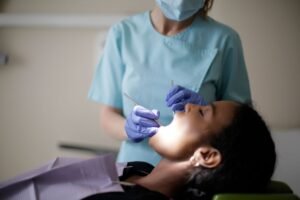
An implant maintenance appointment usually begins with a review of your medical history and any changes you have noticed, such as bleeding, tenderness or a different feel when biting. Your dentist or hygienist will then examine the gum around each implant, looking for redness or swelling, and may gently measure the depth of the space between the gum and the implant. These measurements are recorded so they can be compared at future visits, helping to reveal slow changes that would otherwise go unnoticed.
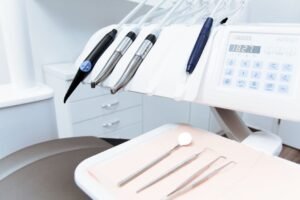
Next, any plaque or hardened deposits are carefully removed using instruments suited to implant surfaces, so the implant and crown are not scratched. X-rays may be taken at intervals to check bone levels around the implant. The bite is often checked too, to make sure the implant is not taking excessive force. Finally, your clinician will review your cleaning routine and suggest any adjustments to tools or technique. These visits are a valuable chance to ask questions and keep your implant healthy.
Frequently Asked Questions
What causes peri implantitis?
Peri implantitis is mainly caused by bacterial plaque building up around a dental implant, which triggers inflammation that damages the gum and supporting bone. Smoking, diabetes, past gum disease and leftover cement can increase the risk.
Can peri implantitis be reversed?
The early stage, called peri-implant mucositis, affects only the gums and can usually be reversed with better cleaning and professional care. Once bone has been lost in peri implantitis, treatment aims to stop progression, and some lost bone may be rebuilt with grafting.
What are the signs of an infected dental implant?
Signs of an infected dental implant include red, swollen or bleeding gums around the implant, tenderness, a bad taste, pus, receding gums and, in advanced cases, a loose implant or a change in how your bite feels.
How do I clean around a dental implant?
Brush twice daily with a soft toothbrush, focusing on where the crown meets the gum, and clean around the implant every day with interdental brushes, implant floss or a water flosser, as recommended by your dental team.
Does smoking affect dental implants?
Smoking increases the risk of peri implantitis and implant failure because it reduces blood flow to the gums, slows healing and can hide warning signs such as bleeding. Stopping smoking helps protect implants over the long term.