
Keeping a dental implant clean and healthy means treating it with at least the same care you would give a natural tooth. Brush twice a day, clean thoroughly around the implant and under any bridge or crown once a day using floss, interdental brushes, or a water flosser, and attend regular professional maintenance visits. Implants cannot decay, but the gum and bone that support them can become inflamed and recede if plaque is allowed to build up, a problem called peri-implant disease. With consistent daily cleaning and professional monitoring, a well-placed implant can last for many years.
Key takeaways
- Implants do not decay, but the surrounding gum and bone can become diseased.
- Plaque control around the implant every day is the single most important habit.
- Use tools designed for implants: soft brushes, interdental brushes, floss, or a water flosser.
- Professional maintenance visits catch early inflammation before bone is lost.
- Smoking, uncontrolled diabetes, and grinding raise the risk of implant problems.
Why do implants still need careful cleaning?
An implant is a titanium or ceramic post placed in the jawbone, topped with a crown, bridge, or denture attachment. The post itself cannot rot, and the crown cannot get a cavity. This leads some people to assume implants need less attention than natural teeth, which is a costly misunderstanding.
The vulnerable part is the junction where the implant meets the gum. Plaque and bacteria collect there just as they do around a natural tooth. If they are not removed daily, the gum becomes inflamed, and over time the bone that holds the implant can shrink away. Because an implant has no natural ligament or nerve, this process is often painless until it is advanced, so prevention and monitoring matter even more.
What is peri-implant disease?
Peri-implant disease is inflammation of the tissues around an implant caused by bacterial plaque. The milder form, peri-implant mucositis, affects only the gum: it looks red, may bleed when cleaned, and can often be reversed with better hygiene and a professional clean. It is the implant equivalent of gingivitis.
The more serious form, peri-implantitis, involves loss of the supporting bone. The gum may recede, the implant threads can become exposed, and in advanced cases the implant loosens and fails. Treating peri-implantitis is difficult and not always successful, which is why the goal is to stop problems at the reversible early stage through daily cleaning and regular check-ups.
How should you brush around an implant?
Use a soft-bristled manual or electric toothbrush twice a day, angling the bristles toward the gumline and using gentle, short strokes. Spend extra time on the surfaces of the implant crown that face the cheek and tongue, and on the area right where the crown emerges from the gum. A small-headed or single-tufted brush can help you reach awkward spots behind the crown.
Non-abrasive fluoride toothpaste is fine; avoid heavily abrasive or whitening pastes, which can scratch the polished components and the crown material. If you have an implant-supported denture, remove it as directed to clean underneath, and clean the attachments and the gum tissue they rest on. Electric brushes with a pressure sensor help prevent over-brushing, which can damage the gum margin.
What is the best way to clean between and under implant restorations?
The space beneath a bridge or next to a single implant crown is where disease usually starts, so daily cleaning there is essential. Interdental brushes sized to fit the gap are effective for many people; choose coated wire versions to avoid scratching the implant surface. Floss designed for implants, often with a stiff threader end and a spongy middle section, lets you wrap and wipe around the post under the crown.
A water flosser is a useful addition, particularly for implant bridges and full-arch restorations where access is limited. Aim the tip along the gumline and into the spaces beneath the teeth. Water flossing works best alongside brushing and physical interdental cleaning rather than as a complete replacement. Your dentist or hygienist can show you the exact technique for your restoration.
How often should you see the dentist for implant maintenance?
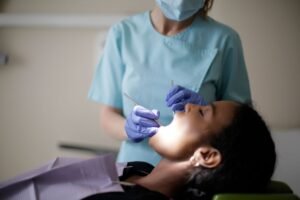
Most people with implants are advised to attend professional maintenance every three to six months, with the exact interval set according to their gum health, plaque control, and risk factors. These visits are more than a routine polish. The clinician checks the gum around each implant for bleeding and pocketing, confirms the crown and screw are stable, and looks for early signs of bone change.
Special instruments are used to clean implants without scratching them, and X-rays are taken periodically to compare bone levels over time. Catching mucositis at one of these visits allows simple treatment before it progresses. Skipping maintenance is one of the most common reasons implants run into trouble years after a successful placement.
Which habits and conditions put implants at risk?
Smoking is the strongest lifestyle risk factor. It reduces blood flow to the gums, impairs healing, and significantly increases the chance of peri-implantitis and implant failure. Poorly controlled diabetes also raises the risk because it affects how tissues respond to infection. A history of severe gum disease around natural teeth means a higher chance of similar problems around implants.
Grinding and clenching place heavy loads on the implant and its components, which can loosen screws or fracture the crown. If you grind, a night guard is usually recommended. Poor daily plaque control, irregular dental attendance, and an ill-fitting restoration that traps food all add to the risk. Managing these factors protects the investment the implant represents.
What warning signs should prompt a dental visit?
Book an appointment if you notice bleeding when you clean around the implant, gums that look red, puffy, or have pulled back to expose metal, or any discharge or bad taste from the area. A crown that feels loose, clicks, or has shifted position needs prompt attention, as does any new gap where food starts to pack in.
Because early peri-implant disease is often painless, do not wait for discomfort before seeking help. Pain, swelling, or a loose implant usually means the problem is already advanced. Reporting subtle changes early gives the best chance of treating inflammation while it is still reversible and before bone is permanently lost.
Do implants last longer with good care?
Yes, considerably. Studies consistently show that implants maintained with good daily hygiene and regular professional care have high long-term success, while those that are neglected are far more likely to develop bone loss and fail. The implant hardware is durable; it is the biological seal around it that determines longevity.
Think of an implant as a long-term commitment rather than a one-off fix. The placement is only the beginning. The years of cleaning and check-ups that follow are what keep the gum healthy, the bone stable, and the restoration functioning. Patients who build implant care into their daily routine and keep their maintenance appointments give themselves the best possible outcome.
Does diet matter for someone with implants?
Diet still plays a role even though the implant itself cannot decay. If you have natural teeth alongside implants, a diet high in frequent sugar puts those teeth at risk, and losing more natural teeth adds load to the implants. Acidic foods and drinks can also irritate the gum tissue around an implant if hygiene is not thorough.
Very hard foods deserve caution. Biting directly into ice, boiled sweets, or hard crusts can chip an implant crown or, over time, loosen components, especially for people who already grind. A balanced diet that is kind to the gums, moderate in sugar and acid, and gentle on the restoration supports both the implant and the rest of the mouth.
Frequently Asked Questions
Can a dental implant get a cavity?
No. The titanium post and the crown material cannot decay the way natural tooth enamel does. However, the gum and bone that support the implant can become infected and recede if plaque builds up around it. This is why daily cleaning and professional maintenance remain essential even though decay is not a concern.
Is flossing around an implant different from flossing a natural tooth?
The principle is the same, but implant-specific floss with a threader and a spongy section makes it easier to wrap around the post beneath the crown and wipe the surface clean. Interdental brushes with a plastic-coated wire are also gentle on the implant. Your hygienist can demonstrate the method that suits your particular restoration.
How do I know if I have peri-implant disease?
Early signs include bleeding when cleaning around the implant and red or swollen gums. More advanced disease may show gum recession, exposed implant threads, a bad taste, or a loose crown. Because it is often painless, regular dental checks with gum measurements and periodic X-rays are the reliable way to detect it early.
Will smoking affect my implant?
Yes. Smoking reduces blood supply to the gums, slows healing, and markedly increases the risk of bone loss around implants and of implant failure. If you smoke, cutting down or stopping improves the outlook for your implant. Discuss support options with your dentist or doctor.
How often should implants be professionally cleaned?
Most people are advised to have professional implant maintenance every three to six months, depending on their gum health and risk factors. These visits include specialised cleaning that will not scratch the implant, gum assessments, and periodic X-rays to monitor bone levels. Your dentist will set the right interval for you.