
Early gum disease, known as gingivitis, usually announces itself through gums that look redder or puffier than usual and bleed when you brush or floss. It rarely causes pain at this stage, which is exactly why it is so easy to miss. Catching these subtle changes early matters because gingivitis is reversible with better hygiene and professional cleaning, whereas the more advanced form, periodontitis, can permanently damage the tissue and bone that hold teeth in place. Learning to recognise the earliest warning signs gives you the chance to act while the condition is still simple and inexpensive to correct.
Key takeaways
- Bleeding, redness, and swelling of the gums are the earliest and most common signs of gingivitis.
- Gingivitis is painless in most cases, so visual and textural changes matter more than discomfort.
- Left unaddressed, gingivitis can progress to periodontitis, which involves irreversible bone and tissue loss.
- Improved brushing, flossing, and professional cleaning can fully reverse early gum disease.
- Regular dental check-ups help identify gum changes before they become noticeable to you.
What Happens to Gums in the Earliest Stage of Disease?
Gum disease begins when a sticky film of bacteria, known as plaque, builds up along the gumline and is not removed thoroughly enough during daily cleaning. Within a day or two, the bacteria in this film irritate the soft tissue surrounding the teeth, triggering an inflammatory response. This is the body’s normal reaction to the presence of bacterial toxins, and it shows up as swelling, warmth, and a change in gum colour from a healthy pale pink to a deeper red or purplish tone.
At this earliest point, the supporting structures beneath the gum, including the ligaments and bone, remain completely unaffected. The inflammation is confined to the soft tissue, which is precisely why the process can be fully undone with consistent care. Understanding that this stage is a response to plaque rather than a fixed condition helps explain why simple changes in daily habits can restore the gums to a healthy state within a week or two.
What Are the Earliest Signs of Gingivitis?
The most reliable early sign is bleeding during brushing or flossing, even if the amount seems minor. Healthy gums do not bleed under normal pressure, so any blood on the toothbrush or floss deserves attention rather than being dismissed as a sign of brushing too hard. Alongside bleeding, gums affected by early disease often appear puffier than the surrounding tissue, with a slightly shiny or rounded edge instead of the thin, firm border seen in healthy gums.
Other subtle indicators include mild tenderness when eating something firm, a change in gum colour, and gums that feel soft rather than tightly wrapped around the teeth. Persistent bad breath or a lingering unpleasant taste can also accompany early inflammation, since the bacteria responsible for plaque produce odour-causing compounds. None of these signs are usually severe enough to cause alarm on their own, which is exactly why regular self-checks in front of a mirror are worthwhile.
Why Do Gums Bleed When Brushing or Flossing?
Bleeding occurs because inflamed gum tissue develops fragile, dilated blood vessels close to the surface. In a healthy mouth, the gum tissue is tightly bound to the tooth and resistant to minor friction from a toothbrush or floss. When plaque accumulates along the gumline, the tissue becomes engorged and delicate, so even gentle contact is enough to rupture these small vessels and produce visible blood.
A common misconception is that bleeding means you should brush less or more gently to avoid irritating the area further. In reality, the opposite is usually true: bleeding gums need more thorough, consistent cleaning to remove the plaque that is causing the inflammation in the first place. Within several days of improved brushing and flossing, the bleeding typically decreases noticeably as the tissue heals and the blood vessels return to their normal, less fragile state.
How Does Gingivitis Differ From More Advanced Gum Disease?
Gingivitis is confined to the soft tissue and is fully reversible, while periodontitis involves the deeper structures that anchor teeth, including the periodontal ligament and the surrounding bone. Once these deeper structures are affected, the damage cannot be reversed through hygiene alone, though its progression can be halted with appropriate professional treatment. This distinction is the single most important reason to address gum changes as early as possible.
Signs that gum disease may have progressed beyond the earliest stage include gums that appear to be pulling away from the teeth, creating small pockets where debris can collect, along with teeth that feel slightly loose or shift position. Persistent bad breath that does not improve with cleaning and gums that ooze fluid or pus are further indicators. Anyone noticing these additional changes should treat them as a signal to seek a professional evaluation rather than relying on home care alone.
What Causes Gum Disease to Develop in the First Place?
The underlying cause of virtually all gum disease is plaque, the soft bacterial film that forms continuously on tooth surfaces. When plaque is not removed regularly, it hardens into tartar, also called calculus, which cannot be removed by brushing and instead requires professional instruments. Tartar has a rough surface that attracts even more plaque, creating a cycle that steadily worsens gum inflammation if left unchecked.
Several factors make this cycle more likely to take hold, including irregular brushing or flossing, smoking, hormonal fluctuations, certain medications that reduce saliva flow, and conditions such as diabetes that affect the body’s inflammatory response. Crowded or crooked teeth can also make thorough cleaning more difficult, allowing plaque to accumulate in areas that a toothbrush struggles to reach. Recognising these contributing factors helps explain why some people are more prone to gum inflammation than others despite similar brushing habits.
Who Tends to Be More Susceptible to Early Gum Disease?
While gum disease can affect anyone who does not clean their teeth thoroughly, certain groups face a higher likelihood of developing it. People going through hormonal changes, such as during pregnancy or puberty, often notice increased gum sensitivity because hormones can heighten the tissue’s response to plaque. Similarly, people with poorly controlled blood sugar levels tend to experience more pronounced gum inflammation, since elevated glucose can impair the body’s ability to fight off bacterial irritation.
Smokers face a notably higher risk as well, partly because smoking reduces blood flow to the gums, which can mask bleeding and delay diagnosis even as inflammation progresses beneath the surface. Stress has also been linked to weakened immune responses that make it harder for the body to control bacterial buildup. Age plays a role too, as decades of accumulated plaque exposure make older adults statistically more likely to show signs of gum disease, reinforcing the value of consistent care throughout life rather than only in later years.
How Do Dental Professionals Identify Gum Disease Early?
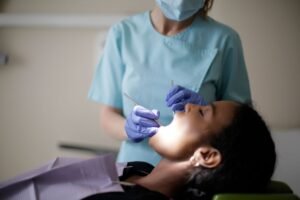
During a routine check-up, a dental professional examines the colour, texture, and firmness of the gum tissue, looking for the same signs of redness and swelling that are visible at home, but with a trained eye for subtler changes. A small measuring instrument is often used to check the depth of the space between the tooth and gum, known as the sulcus, since a healthy sulcus stays shallow while an inflamed or infected one tends to deepen.
This measurement, often called probing, allows early shifts to be detected well before they would be obvious to the patient. Dental X-rays may also be taken periodically to assess the level of bone surrounding the teeth, which helps distinguish straightforward gingivitis from the beginnings of bone involvement. Because these tools can detect changes long before symptoms become noticeable, routine check-ups remain one of the most effective ways to catch gum disease at its earliest and most treatable point.
What Can You Do at Home to Reverse Early Gum Disease?
The good news about gingivitis is that it typically responds quickly to improved home care. Brushing thoroughly twice a day with a soft-bristled brush, angling the bristles slightly toward the gumline, helps disrupt the plaque that accumulates in this area. Flossing or using interdental brushes once daily reaches the spaces between teeth that a toothbrush cannot access, removing plaque before it has the chance to harden into tartar.
Rinsing with an antibacterial or fluoride mouth rinse can offer additional support, though it should complement rather than replace brushing and flossing. Many people notice a reduction in bleeding and swelling within one to two weeks of consistently improving these habits, which is a strong indicator that the tissue is healing. Maintaining this routine long-term, rather than treating it as a temporary fix, is what keeps gum disease from returning once it has been brought under control.
Why Does Acting Early on Gum Health Matter So Much?
Addressing gum disease while it remains in the gingivitis stage is significantly simpler, faster, and less costly than managing periodontitis later on. Because gingivitis has not yet affected the bone or ligament structures, resolving it typically requires nothing more than improved daily habits and a professional cleaning to remove hardened tartar. There is no need for more involved procedures, and the tissue can return to full health without any lasting trace of the earlier inflammation.
Once gum disease advances, treatment becomes more complex and the outcome is generally aimed at stopping further damage rather than reversing what has already occurred. Beyond the practical benefits, healthy gums also play a supporting role in keeping teeth stable and comfortable for chewing over the long term. Viewing early gum changes as a clear signal to adjust your routine, rather than a minor cosmetic issue, is one of the simplest ways to protect your oral health for years to come.
Frequently Asked Questions
Can gingivitis go away on its own without treatment?
Gingivitis does not typically resolve on its own if the underlying plaque buildup continues unaddressed. It requires an active change in habits, such as more thorough brushing and flossing, along with removal of hardened tartar by a dental professional, to fully clear the inflammation and restore healthy gum tissue.
Is it normal for gums to bleed a little every time you floss?
No, healthy gums should not bleed with normal flossing pressure. Occasional bleeding when you first begin flossing more regularly can occur as the gums adjust, but ongoing or repeated bleeding is a sign of inflammation that should prompt closer attention to technique and consistency.
How long does it take for gums to heal once gingivitis is treated?
With consistent improved brushing, flossing, and a professional cleaning to remove tartar, most people notice reduced redness and bleeding within one to two weeks. Full healing of the soft tissue generally continues over several weeks provided the improved habits are maintained.
Can gum disease cause bad breath even before other symptoms appear?
Yes, bacteria associated with plaque buildup can produce noticeable odour before other signs like bleeding or swelling become obvious. Persistent bad breath that does not improve with normal brushing can be an early clue that plaque is accumulating along the gumline.
Does using a harder toothbrush help remove more plaque and prevent gum disease?
No, a firm or hard-bristled brush can actually irritate and wear down gum tissue rather than improving plaque removal. A soft-bristled brush used with a gentle, thorough technique is more effective at disrupting plaque without damaging the delicate gum tissue.