
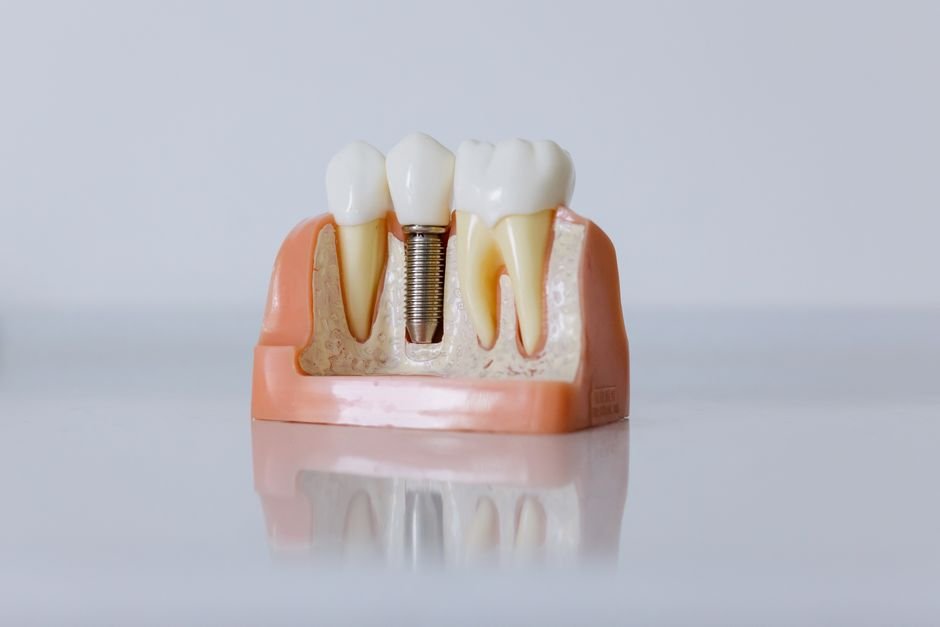
Dental implants are widely regarded as a safe and well-established way to replace missing teeth, with decades of clinical use supporting their reliability when placed and cared for appropriately. Like any dental or medical procedure, they carry some considerations and potential risks, but the materials used are extensively studied for compatibility with the body, and the surgical technique has been refined considerably over time. Understanding the common questions people have about implant safety can help set realistic expectations and highlight what genuinely matters when considering this treatment.
Key takeaways
- Dental implants use materials extensively studied for long-term compatibility with the human body.
- Most complications are minor and manageable when caught early through proper monitoring.
- A thorough evaluation of bone health and overall health history helps minimise surgical risk beforehand.
- Good oral hygiene and regular check-ups play a major role in long term implant safety and success.
- Choosing an experienced provider and following aftercare guidance both meaningfully reduce complication risk.
What Materials Are Dental Implants Made From, and Are They Safe?
Most dental implants are made from titanium or titanium alloys, materials chosen specifically for their strength and their unique ability to fuse directly with bone through a process called osseointegration. Titanium has an extensive history of use in medical implants beyond dentistry, including orthopaedic applications, and has been studied closely for its biocompatibility, meaning the body generally accepts it well without triggering significant adverse reactions.
Zirconia, a ceramic material, is also used for implants and offers an alternative for the small number of patients who prefer a metal-free option or who have a known titanium sensitivity, though this remains uncommon. Both materials undergo rigorous testing and regulatory evaluation before being approved for dental use, which is part of why implants are considered a well-established and thoroughly vetted treatment option for tooth replacement.
Can the Body Reject a Dental Implant?
True rejection, in the sense of an immune reaction against the implant material itself, is extremely uncommon with titanium and zirconia implants due to their high degree of biocompatibility. What is sometimes described informally as implant failure is more often related to factors such as insufficient bone integration, infection around the implant site, or excessive mechanical stress rather than an immune rejection response.
Failure of osseointegration, where the implant does not fuse successfully with the surrounding bone, is the more accurate way to describe most cases where an implant does not succeed. This can result from factors like inadequate bone density, smoking, uncontrolled underlying health conditions, or infection, many of which can be identified and addressed proactively during the planning process before surgery takes place.
What Happens During the Evaluation Process to Ensure Safety?
Before recommending implant treatment, a dentist typically conducts a thorough evaluation that includes imaging to assess bone density and volume at the intended implant site, along with a review of overall health history and any medications that might affect healing. This evaluation helps identify potential risk factors in advance, allowing the treatment plan to be adjusted or additional preparatory steps, such as bone grafting, to be recommended if needed.
Certain health conditions, including uncontrolled diabetes or a history of significant bone loss, may require closer coordination with a patient’s broader healthcare team before proceeding, since these factors can influence healing and implant success. This careful upfront assessment is one of the most important safety measures in the entire implant process, since it allows many potential complications to be anticipated and managed before surgery even begins.
Is Dental Implant Surgery Itself Considered Safe?
Dental implant placement is generally performed under local anaesthetic in an outpatient setting, and it is considered a safe, well-established surgical procedure when carried out by an experienced provider. The procedure itself typically takes between one and two hours per implant, with most patients experiencing only mild to moderate discomfort afterwards that is manageable with standard pain relief.
As with any surgical procedure, there are some general risks involved, such as infection, bleeding, or minor nerve irritation near the treatment site, though these occur relatively infrequently, particularly when the procedure is planned carefully based on a thorough prior evaluation. Discussing the specific risks relevant to an individual’s situation with the treating dentist beforehand helps ensure realistic expectations going into the procedure.
What Are the Most Common Complications, and How Serious Are They?
The most frequently reported complications include minor infection around the implant site, known as peri-implant mucositis when limited to soft tissue, and in more established cases, a condition called peri-implantitis, which involves inflammation that has begun to affect the supporting bone. Both are generally manageable when identified early through routine monitoring, though peri-implantitis requires more involved treatment if allowed to progress significantly.
Other less common complications can include implant loosening due to insufficient bone integration or excessive bite force, and in rare cases, minor nerve sensitivity near the lower jaw if the implant site is close to a nerve pathway. Most of these complications are identified and addressed during routine follow-up appointments, which is part of why ongoing monitoring after placement remains an important aspect of long term implant safety.
Does Smoking Affect the Safety and Success of Dental Implants?
Smoking is one of the more significant factors known to affect implant safety and success, since it reduces blood flow to the gums and jawbone, impairing the healing process needed for successful osseointegration. Smokers generally face a higher risk of implant failure and complications such as infection compared to non-smokers, making this an important factor discussed during the initial evaluation process.
Many dentists recommend reducing or pausing smoking around the time of surgery and during the healing period to improve the likelihood of successful integration, since this window is particularly sensitive to factors affecting blood flow and tissue healing. Patients who smoke are not necessarily excluded from implant treatment, but understanding this added risk factor allows for more informed decision-making and realistic expectations.
How Does Ongoing Care Affect Long Term Implant Safety?
Once healed, implants require consistent oral hygiene similar to natural teeth, including regular brushing and flossing around the implant site, since plaque buildup around an implant can lead to the same type of gum inflammation that affects natural teeth, potentially progressing to peri-implantitis if left unaddressed. Special floss or interdental brushes designed for implant care can help clean effectively around the restoration.
Routine dental check-ups allow a dentist to monitor the health of the surrounding gum tissue and bone over time, catching any early signs of inflammation or bone loss before they progress into more significant complications. This ongoing partnership between patient home care and professional monitoring is one of the most important factors in maintaining implant safety and function over the long term.
What Should Someone Look for When Choosing a Provider for Safety Reasons?
Experience and specific training in implant placement meaningfully influence both the safety and long term success of the procedure, since accurate placement relative to bone structure, nerves, and adjacent teeth requires considerable skill and judgement. Asking about a provider’s experience level with implant procedures, along with the imaging technology used for planning, can offer useful insight during the decision-making process.
A provider who takes time to thoroughly explain the evaluation findings, discuss potential risks specific to an individual’s situation, and set realistic expectations about the timeline and process tends to reflect a more careful, safety-conscious approach overall. Taking time to ask questions and feel confident in this communication is a reasonable and valuable part of choosing where to receive implant treatment.
Frequently Asked Questions
Are dental implants safe for people with existing health conditions?
Many people with well-managed health conditions can safely receive dental implants, though conditions such as uncontrolled diabetes or certain bone-related issues may require additional evaluation or coordination with a broader healthcare team before proceeding with treatment.
How likely is it that my body will reject a titanium implant?
True rejection is extremely rare due to titanium’s high level of biocompatibility. Most cases informally described as rejection are actually related to insufficient bone integration, infection, or other identifiable factors rather than an immune response against the material itself.
Is there radiation risk from the imaging used to plan implant placement?
The imaging used for implant planning, such as digital x-rays or 3D scans, involves very low levels of radiation exposure, generally considered safe and comparable to or lower than many routine medical imaging procedures used elsewhere in healthcare.
Can an infection around an implant spread to other teeth?
An untreated infection around an implant can potentially affect nearby tissue and, in more advanced cases, surrounding bone, which is why routine monitoring and prompt attention to any signs of inflammation are important parts of maintaining both implant and overall oral health.
How long do dental implants typically remain safe and functional?
With proper care and regular monitoring, dental implants often remain functional for many years, and many people experience long term success well beyond a decade, though individual outcomes depend on factors like oral hygiene, overall health, and adherence to follow-up care.