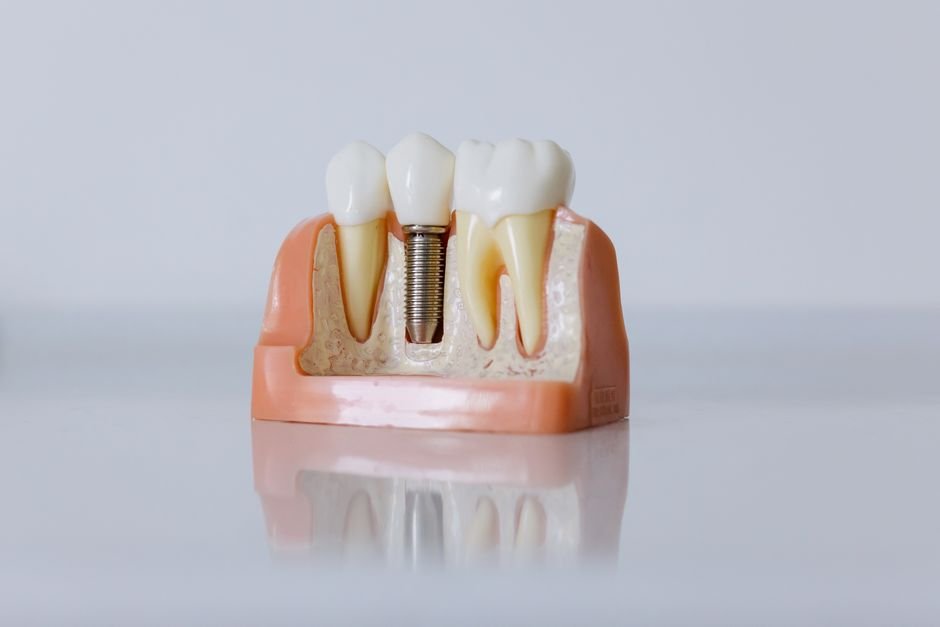
Nutrition during dental implant recovery plays a meaningful role in how smoothly the healing process goes, since the body needs adequate protein, vitamins, and minerals to support the bone and soft tissue healing that happens around the implant site in the weeks following surgery. Eating the right foods, in the right consistency, at the right stages of recovery, supports osseointegration, the process by which the implant fuses with the surrounding jawbone, while avoiding foods that could disrupt healing or damage the surgical site.
Key takeaways
- Protein, vitamin C, and calcium all play supportive roles in bone and tissue healing after implant surgery.
- Soft, cool foods are recommended in the first few days to avoid disturbing the surgical site.
- Hard, crunchy, or chewy foods should be avoided until the area has healed sufficiently.
- Staying well hydrated supports overall healing and helps manage swelling.
- Gradually reintroducing normal foods should follow the healing timeline rather than personal impatience.
Why does nutrition matter so much during implant healing?
Osseointegration, the process where bone cells grow around and fuse with the implant surface, requires the same building blocks the body uses for any bone healing process, including adequate protein for tissue repair, calcium and vitamin D for bone mineralisation, and vitamin C for collagen production in the surrounding gum tissue. A diet lacking these nutrients does not necessarily prevent healing entirely, but it can make the process slower or less predictable than it would be with adequate nutritional support.
This is one of the reasons dental professionals often discuss diet as part of implant aftercare instructions, since the surgical placement itself is only the first step in a process that continues internally for several months as the bone gradually integrates with the implant surface.
What foods are recommended immediately after surgery?
In the first few days following implant placement, soft, cool, and easy-to-eat foods are generally recommended, including options like yoghurt, smoothies, mashed potatoes, scrambled eggs, and soft cooked vegetables. Cool or room-temperature foods tend to be more comfortable than hot foods during this initial period, since heat can increase blood flow to the area and potentially worsen swelling in the first day or two.
Soups and broths are also commonly recommended, provided they are not served too hot, since they are easy to consume without chewing and can be a useful way to include additional protein through added ingredients like blended lentils or soft shredded chicken.
Which nutrients specifically support the healing process?
Protein is particularly important during the healing window, since it provides the amino acids the body needs to build new tissue and support the collagen matrix that forms around the healing implant site. Good sources during the soft-food phase include eggs, dairy, blended beans, and soft fish, all of which can be incorporated without requiring significant chewing.
Vitamin C supports collagen formation in gum tissue and can be included through smoothies made with soft fruits, while calcium and vitamin D support the bone mineralisation process directly involved in osseointegration. Dairy products, fortified plant milks, and soft cooked leafy greens blended into a smoothie are practical ways to include these nutrients without needing to chew during the early healing phase.
What foods should be avoided during the healing period?
Hard, crunchy foods like nuts, crisps, and raw vegetables should be avoided in the early recovery period, since biting into them can place unwanted pressure directly on the healing implant site or dislodge a blood clot that is important for proper healing. Sticky or chewy foods, including caramel or chewy bread, can also pull at the surgical area and are best avoided until the site has had adequate time to heal.
Very hot foods and drinks are generally discouraged in the first couple of days, since excess heat can increase blood flow to the area and worsen swelling, while spicy or acidic foods can cause irritation if they come into direct contact with the healing gum tissue. Alcohol is also typically advised against during the initial healing period, both because it can interact with prescribed medication and because it can interfere with the healing process itself.
How does hydration factor into implant recovery?
Staying well hydrated supports general healing throughout the body and helps the body manage inflammation and swelling more effectively during the days following surgery. Water is the safest choice, since carbonated drinks can sometimes cause discomfort around a healing surgical site, and using a straw is often discouraged in the first few days after surgery, since the suction created can dislodge a healing blood clot.
Sipping water slowly throughout the day, rather than through a straw, is the recommended approach during the initial healing window, gradually returning to normal drinking habits as the area heals and any specific precautions from the dental team are no longer necessary.
When can normal foods gradually be reintroduced?
Most people can begin gradually reintroducing slightly firmer foods within about a week after surgery, moving from fully soft foods toward things like well-cooked pasta or soft-cooked fish, while continuing to avoid the specific surgical site when chewing. Full reintroduction of a completely normal diet, including harder and crunchier foods, typically follows the broader healing timeline for the implant, which can take a period of months as osseointegration completes.
This gradual approach should be guided by how the site actually feels and by any specific timeline provided by the dental team, rather than a fixed calendar date, since individual healing speed can vary based on factors like overall health, the location of the implant, and whether any additional procedures, such as bone grafting, were performed alongside it.
Does nutrition affect long-term implant success, beyond just initial healing?
Adequate nutrition supports not just the initial healing phase but also the long-term maintenance of bone density around an implant once it is fully integrated and functioning. Ongoing adequate calcium and vitamin D intake continues to support the surrounding bone over the years the implant remains in place, much the same way it supports bone health throughout the rest of the body.
A generally balanced diet, rather than any single specific food, is the most reliable way to support this long-term picture, since bone health depends on a range of nutrients working together rather than any one nutrient in isolation.
Are there any specific supplements worth considering during recovery?
Some dental professionals may suggest a vitamin D supplement if blood levels are known to be low, since vitamin D plays a direct role in calcium absorption and bone mineralisation relevant to the healing process. However, supplementation should generally be guided by an actual assessment of individual nutrient levels rather than assumed to be universally necessary for everyone undergoing implant surgery.
A well-rounded diet that includes adequate protein, dairy or fortified alternatives, and a variety of fruits and vegetables blended into an easy-to-eat form usually provides sufficient nutritional support for most people without needing additional supplementation, unless a specific deficiency has already been identified.
How does chewing on the opposite side affect meal planning?
Many people naturally favour the opposite side of the mouth from the implant site while eating during recovery, which is a sensible instinct but can make certain foods more awkward to manage than usual, particularly anything that requires even pressure across both sides of the jaw. Planning meals around foods that can be comfortably managed on one side, such as smaller bites of soft food or foods that do not require much chewing at all, reduces the temptation to push through discomfort on the healing side.
This adjustment is usually only needed for a relatively short window early in recovery, and most people find it becomes unnecessary within a week or two as the surgical site settles and normal chewing patterns gradually resume without discomfort.
Frequently Asked Questions
How long should soft foods be eaten after implant surgery?
Most people need soft foods for about the first week, gradually reintroducing firmer textures as the surgical site heals, though the exact timeline can vary based on individual healing and any specific guidance from the dental team.
Is it safe to drink coffee or tea during recovery?
Warm, not hot, coffee or tea is generally acceptable after the first day or two, though very hot beverages should be avoided initially since excess heat can worsen swelling around the surgical site.
Why is using a straw discouraged after implant surgery?
The suction created by drinking through a straw can dislodge the blood clot that forms at the surgical site, which is important for proper healing in the first few days after the procedure.
Can poor nutrition actually cause an implant to fail?
Significant nutritional deficiencies can slow healing and potentially affect the success of osseointegration, though implant failure is more commonly linked to factors like infection, smoking, or insufficient bone density.
Are protein shakes a good option during the soft-food recovery phase?
Protein shakes can be a convenient way to meet increased protein needs during recovery, provided they do not require chewing and are consumed at a comfortable, cool temperature rather than very cold or hot.