The preparation period before dental implant surgery plays a meaningful role in how smoothly the procedure and subsequent healing go, since the health of your gums, bone and surrounding teeth directly influences how well an implant integrates. Taking a few focused steps in the weeks leading up to treatment can make a real difference to the outcome.
Key takeaways
- Healthy gums are essential before implant placement, so any gum disease needs treating first.
- Improving daily hygiene in the weeks beforehand reduces bacteria at the treatment site.
- Smoking significantly affects healing and is worth addressing before surgery if possible.
- A thorough pre-surgical assessment identifies any bone or dental issues needing attention first.
- Following pre-surgery instructions carefully supports smoother healing afterward.
Why Does Gum Health Need to Be Addressed Before Implant Placement?
Healthy gum tissue is one of the most important factors in successful implant placement, since inflamed or infected gums create a poor environment for healing and can compromise how well the implant integrates with the surrounding bone. Any active gum disease is generally treated and brought under control before implant surgery is scheduled.
This is not simply a precaution; untreated gum disease introduces bacteria near the surgical site that can interfere with healing and increase the risk of complications after placement. Addressing gum health first, even if it adds some time to the overall process, gives the implant the best possible foundation for long-term success.
How Should Daily Hygiene Change in the Weeks Before Surgery?
In the weeks leading up to implant surgery, paying particularly close attention to brushing and flossing helps reduce the overall bacterial load in the mouth, creating a cleaner environment for the procedure itself. This is especially important around the specific area where the implant will be placed.
Some dentists recommend an antimicrobial mouth rinse in the days immediately before surgery to further reduce bacteria in the mouth. Following any specific hygiene instructions provided by the dental team during this period, rather than relying solely on a normal daily routine, helps ensure the mouth is in the best possible condition going into the procedure.
Why Is Smoking Such a Significant Factor in Implant Success?
Smoking is one of the most well-documented factors affecting implant healing, since it reduces blood flow to gum tissue and slows the body’s natural healing response. This can affect how well the bone integrates with the implant, increasing the risk of complications both immediately after surgery and over the longer term.
Reducing or stopping smoking in the period before surgery, even temporarily around the time of the procedure, can meaningfully improve healing outcomes. This is a significant lifestyle adjustment to consider, and discussing realistic options with a dental provider, including any support resources available, is a worthwhile part of preparing for treatment if smoking is a factor.
What Does a Pre-Surgical Dental Assessment Typically Involve?
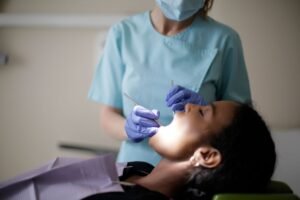
Before scheduling implant surgery, a dentist typically conducts a thorough assessment that includes imaging to evaluate bone density and volume at the planned implant site, along with an examination of surrounding teeth and gum tissue. This assessment identifies whether any additional preparation, such as treating a nearby cavity or addressing bone volume, is needed first.
This step ensures that the implant is being placed into an environment set up for success, rather than proceeding directly to surgery without a full picture of the surrounding dental health. Addressing any identified issues beforehand, even if it means a short delay, tends to support a smoother overall process than moving forward without this groundwork.
How Does Managing Existing Health Conditions Factor Into Preparation?
Certain health conditions, such as uncontrolled diabetes, can affect healing and are worth discussing with both a dentist and physician before implant surgery. Well-managed chronic conditions generally do not prevent implant treatment, but working with healthcare providers to ensure a condition is as stable as possible beforehand supports better healing outcomes.
Medications can also be relevant during this preparation period, since certain medications may need to be reviewed or adjusted around the time of surgery under a doctor’s guidance. Being open with the dental team about full medical history and current medications allows them to plan appropriately around any relevant health factors.
What Dietary and Lifestyle Adjustments Are Worth Making Beforehand?
In the days before surgery, maintaining good general nutrition supports the body’s overall ability to heal once the procedure is complete. Staying well hydrated and eating a balanced diet in the lead-up to surgery is a simple but meaningful way to support the body’s healing capacity in advance.
Avoiding excessive alcohol consumption in the days immediately before surgery is also generally advised, since alcohol can interact with certain medications and may affect healing. Following any specific pre-surgical instructions from the dental team, including guidance on eating or drinking before the appointment itself, ensures the day of surgery goes as smoothly as possible.
How Should Existing Dental Work Be Addressed Beforehand?
If other dental issues exist elsewhere in the mouth, such as untreated cavities or teeth requiring attention, addressing these before implant surgery is generally recommended. This reduces the overall bacterial presence in the mouth and ensures the dental team has a clear, stable picture of the mouth’s overall condition before focusing on the implant site specifically.
Resolving these issues in advance also reduces the likelihood of needing separate, unrelated dental treatment shortly after implant surgery, which could otherwise complicate the healing timeline. Taking care of other dental needs first allows post-surgical attention to remain focused entirely on the healing implant site.
What Practical Steps Help With Planning the Day of Surgery?
Beyond oral health preparation, practical planning for the day of surgery itself makes a difference to the overall experience. Arranging transportation home if sedation will be used, planning to have soft foods available for the days immediately following surgery, and clearing some time to rest afterward all support a smoother initial recovery.
Confirming any pre-surgery instructions, such as fasting requirements if sedation is planned, and preparing any prescribed medications in advance so they are ready to use immediately after the procedure, helps remove unnecessary stress on the day itself. Small logistical preparation like this allows full attention to be given to rest and recovery once the procedure is complete.
Why Does This Preparation Period Matter for Long Term Implant Success?
The condition of the mouth going into implant surgery has a direct bearing on how well the implant integrates and functions over the years that follow. Addressing gum health, improving hygiene, managing relevant health conditions and resolving other dental issues beforehand all contribute to giving the implant the best possible starting environment.
Viewing this preparation period as an active part of the treatment process, rather than simply a waiting period before the “real” procedure, helps set realistic expectations and encourages the kind of thorough groundwork that supports a successful, long-lasting result.
Frequently Asked Questions
How far in advance should gum disease be treated before implant surgery?
The timeline varies depending on the severity of the gum disease and how it responds to treatment, but gum health is generally required to be stable and healthy before surgery is scheduled. A dentist will determine the appropriate waiting period based on how the gums respond to initial treatment.
Do I need to stop smoking completely before getting a dental implant?
While complete cessation offers the most benefit to healing, even temporarily reducing or stopping smoking around the time of surgery can improve outcomes. Discussing realistic options with a dental provider helps identify an approach that supports the best possible healing given individual circumstances.
Will existing dental work delay my implant surgery?
If untreated issues like cavities are identified during the pre-surgical assessment, addressing them first may add some time before implant surgery is scheduled. This step is intended to support a smoother overall process rather than being an unnecessary delay.
Can chronic health conditions prevent me from getting a dental implant?
Well-managed chronic conditions generally do not prevent implant treatment, though they may require closer coordination between a dentist and physician to ensure the condition is as stable as possible before surgery. Each case is assessed individually based on specific health circumstances.
What should I eat in the days leading up to implant surgery?
Maintaining a balanced, nutritious diet and staying well hydrated in the days before surgery supports the body’s general healing capacity. Specific fasting instructions may apply if sedation is planned, and these should be followed exactly as provided by the dental team.